Hi, I’m Blake.
Welcome to a sample of learning spaces and artifacts
I designed throughout my 11 years at a PK–5 school.
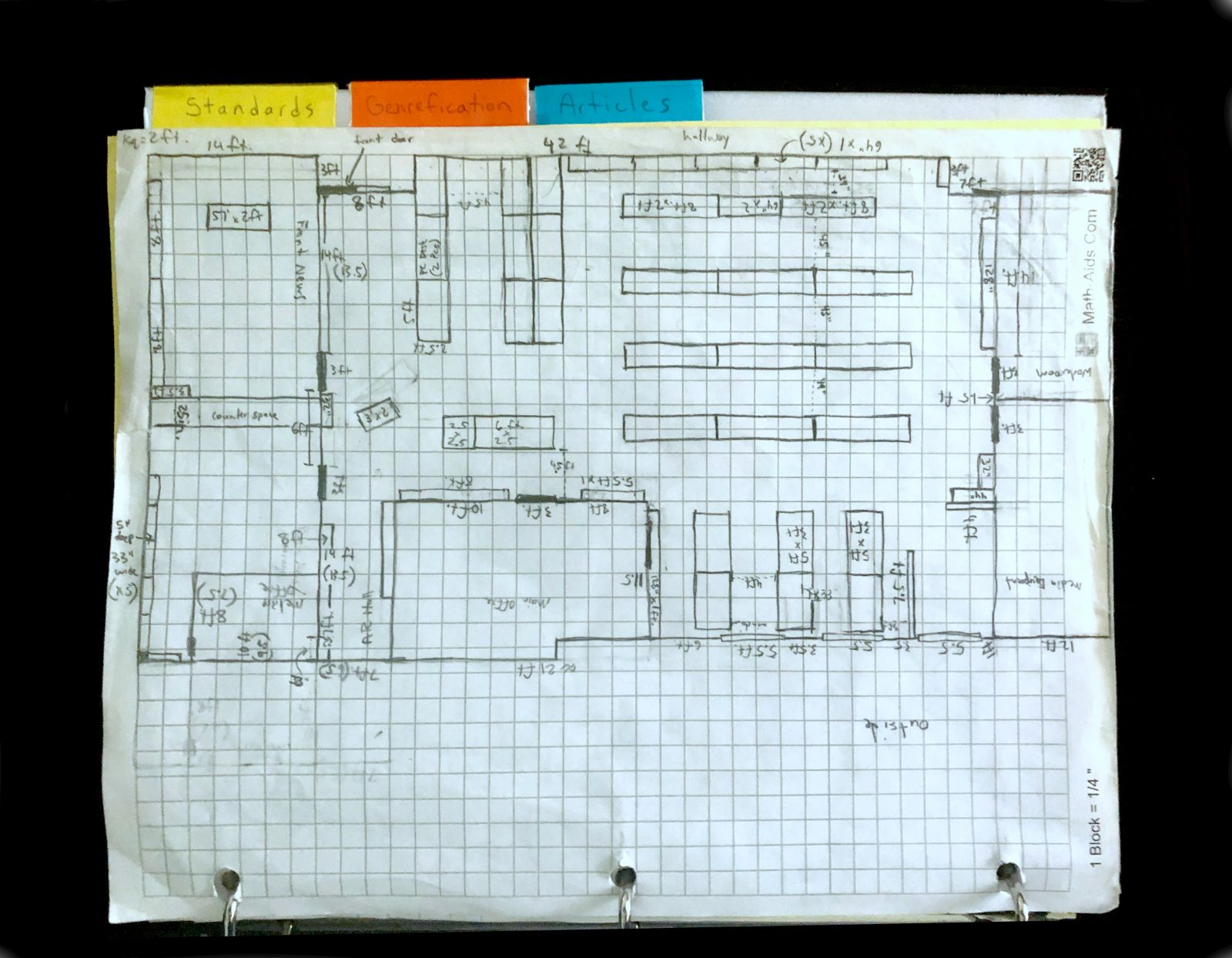
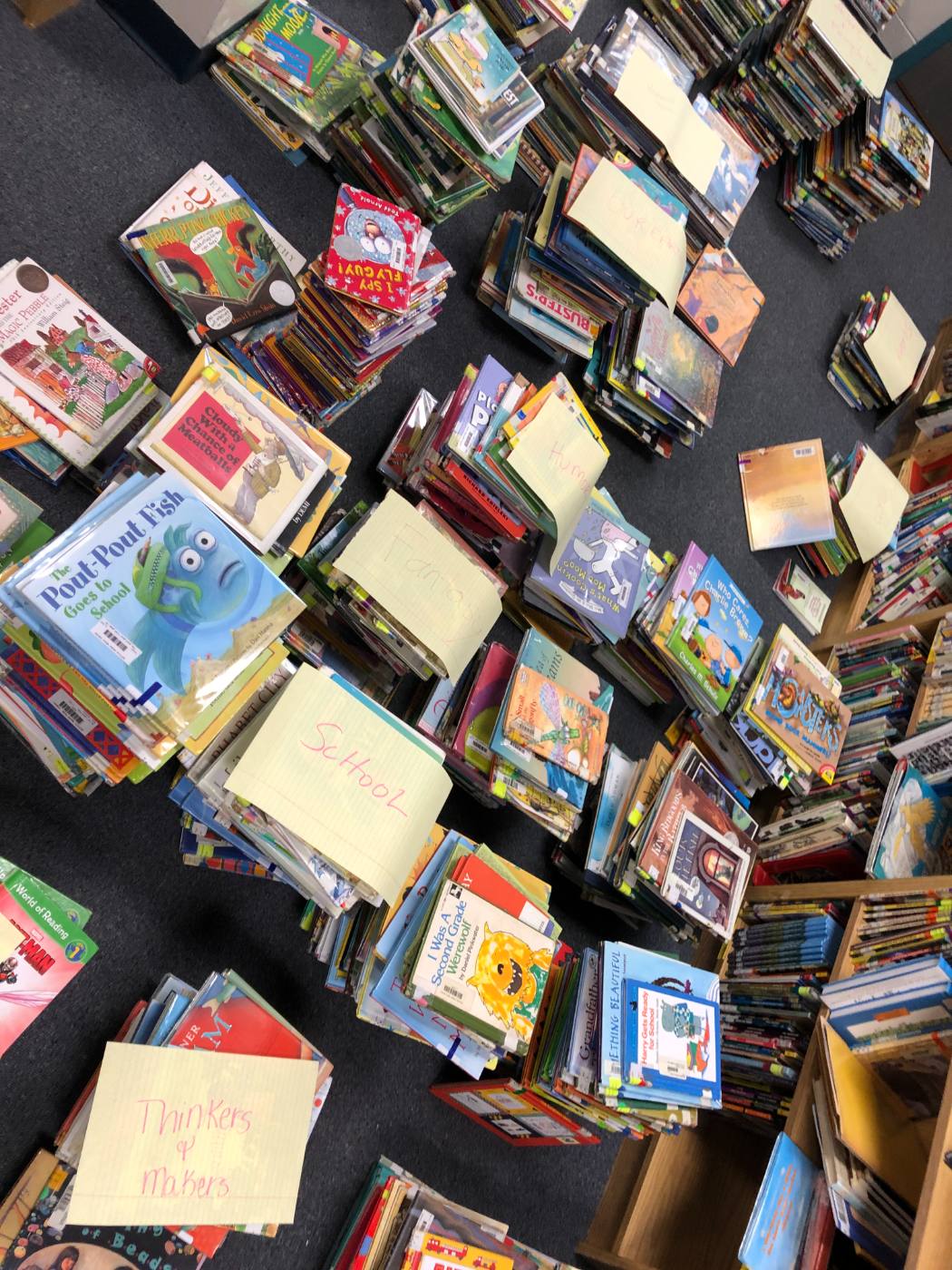
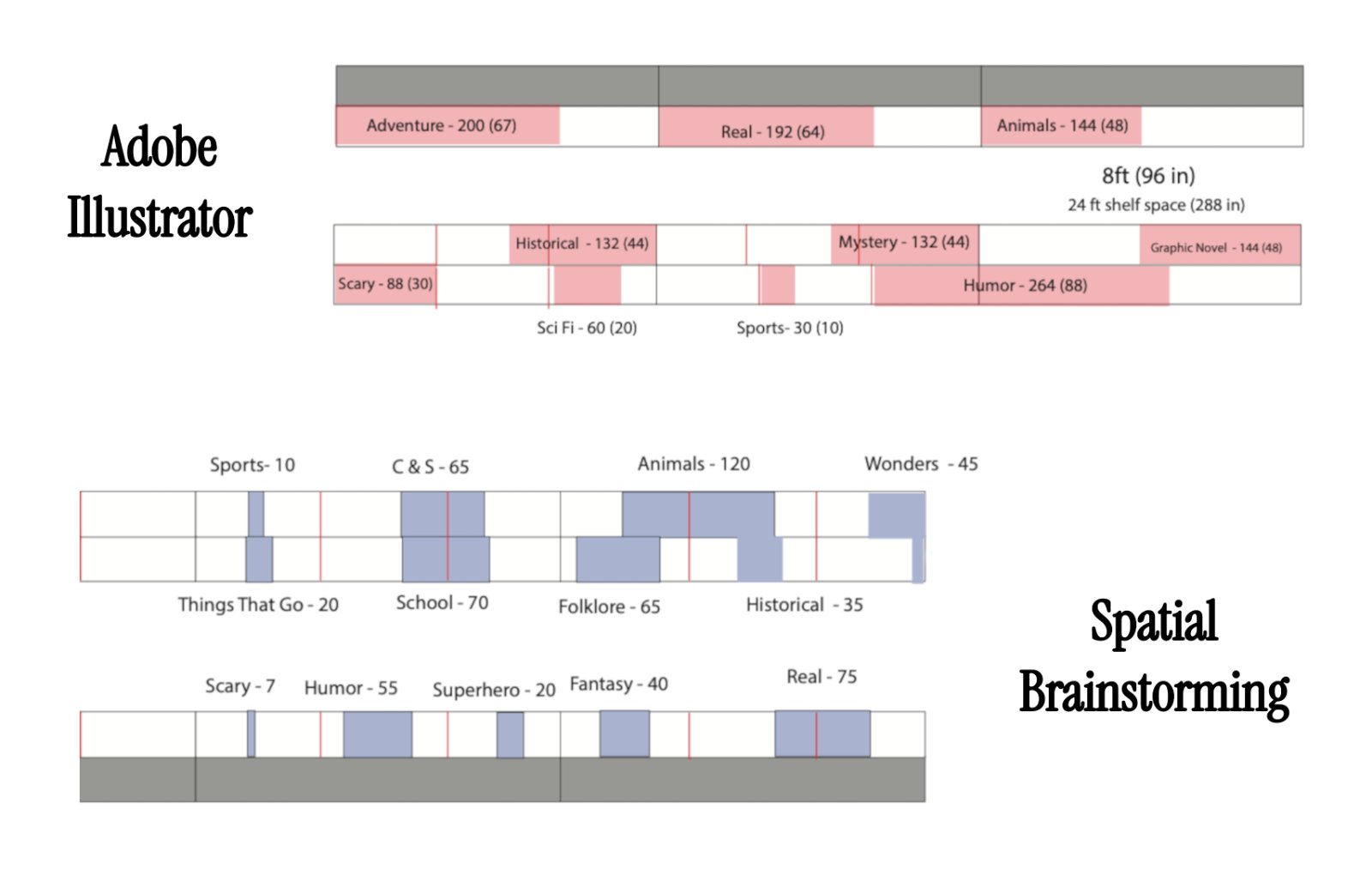
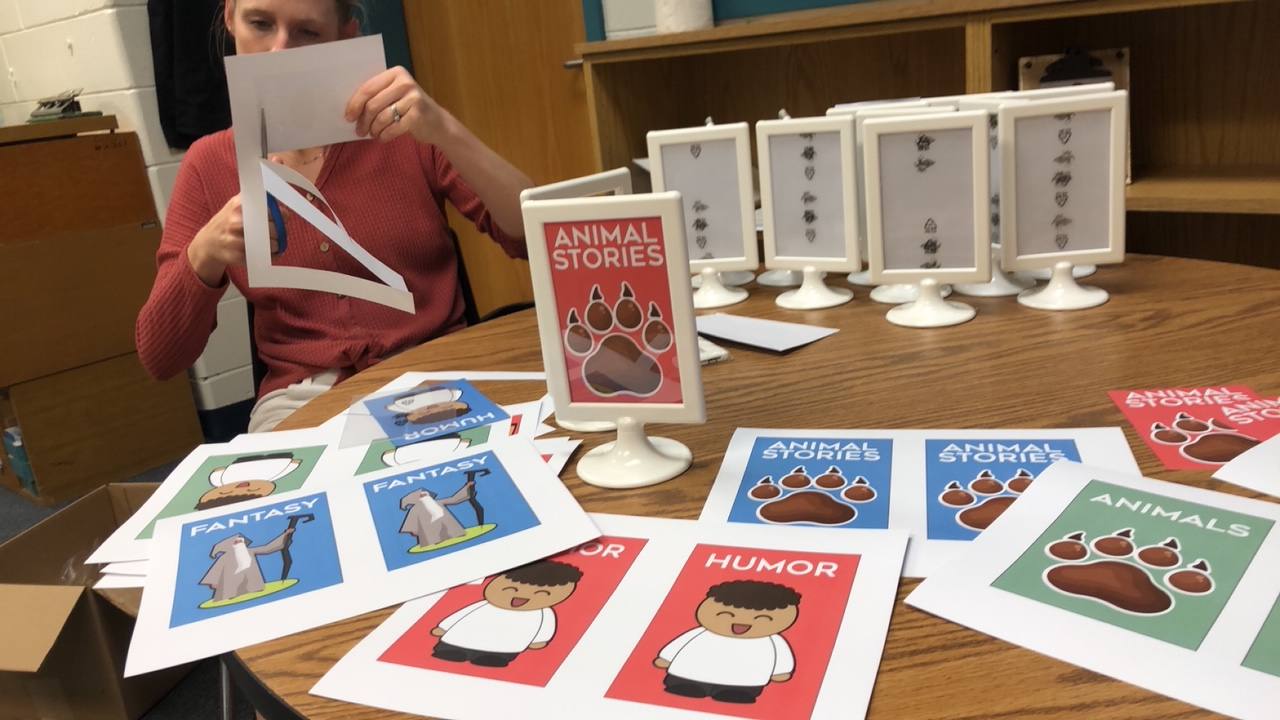
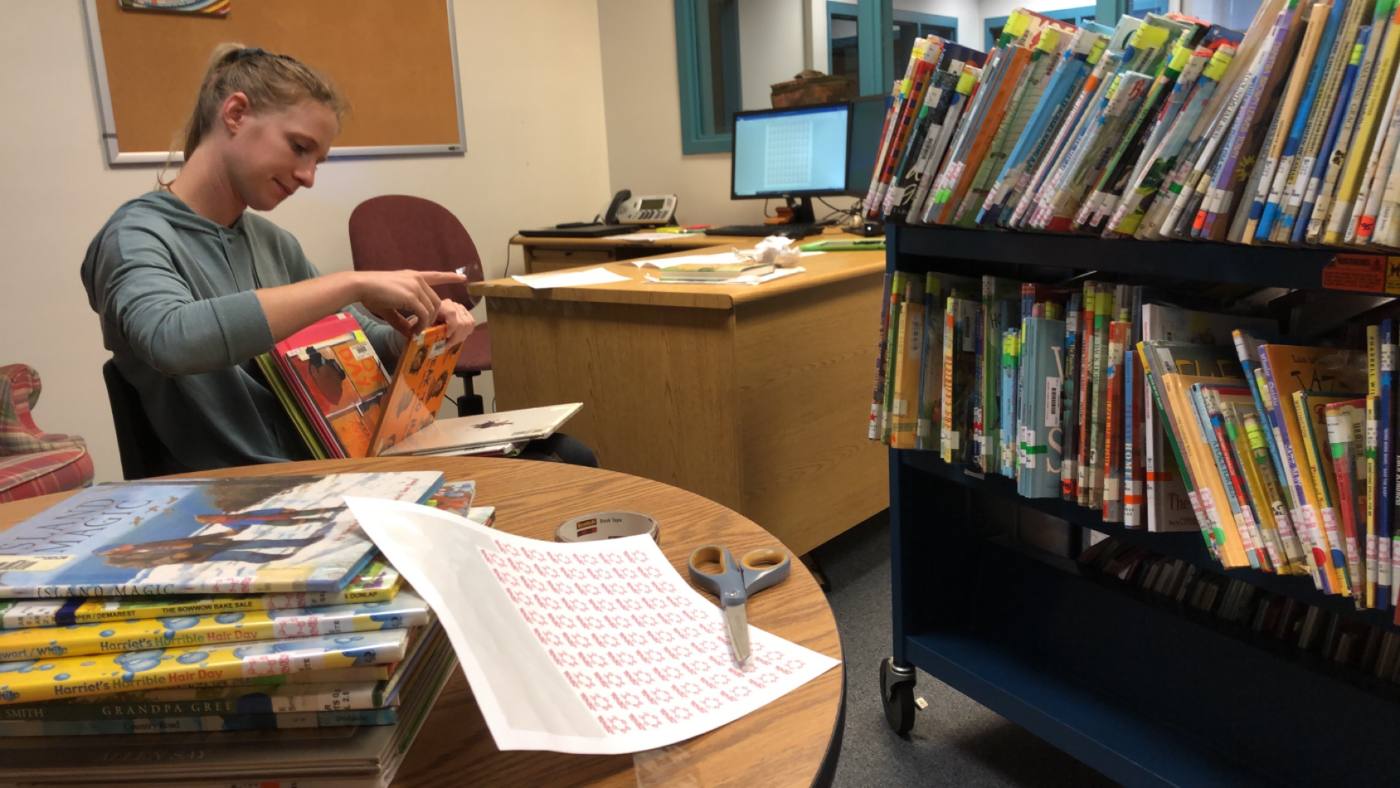
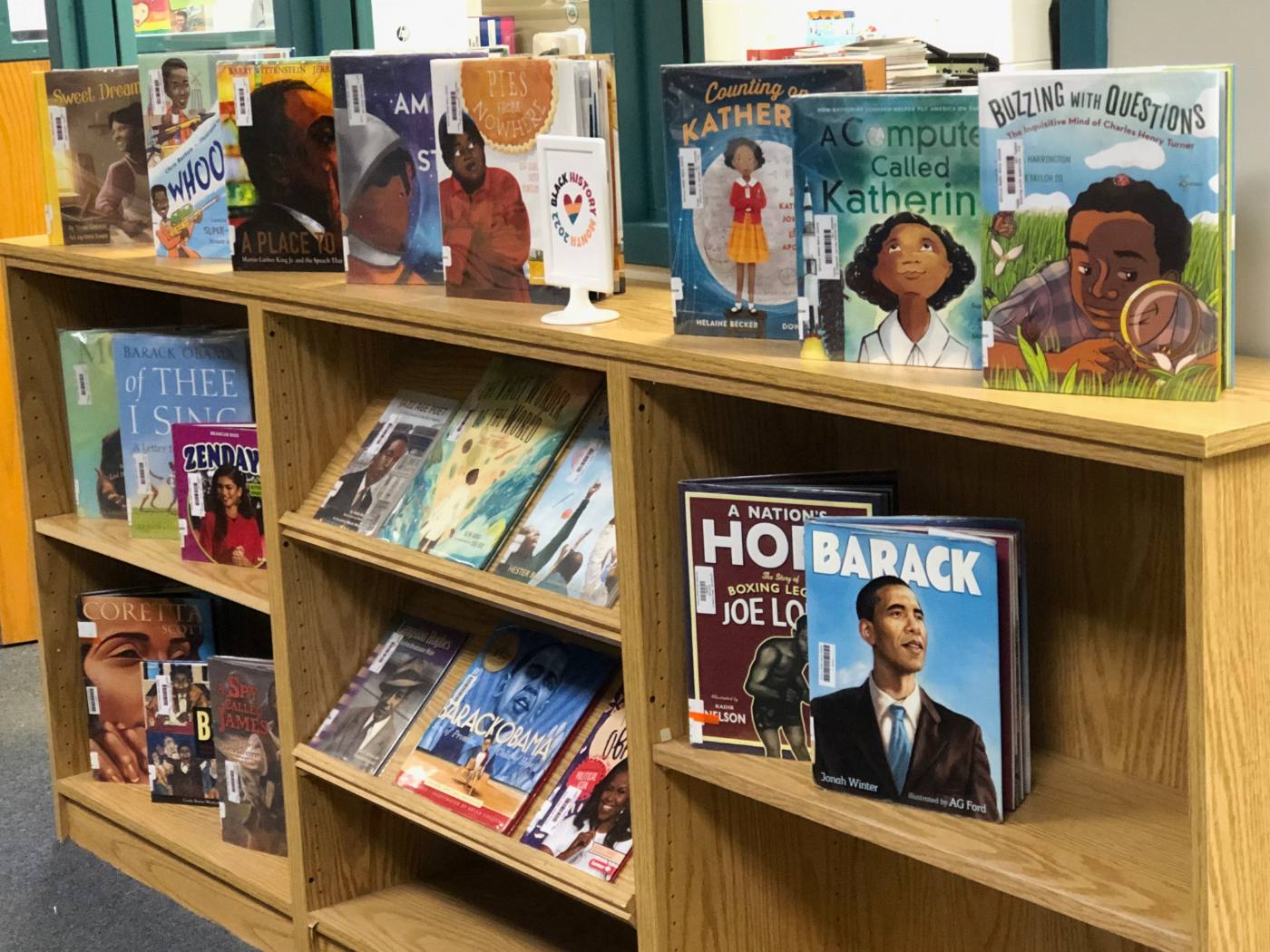
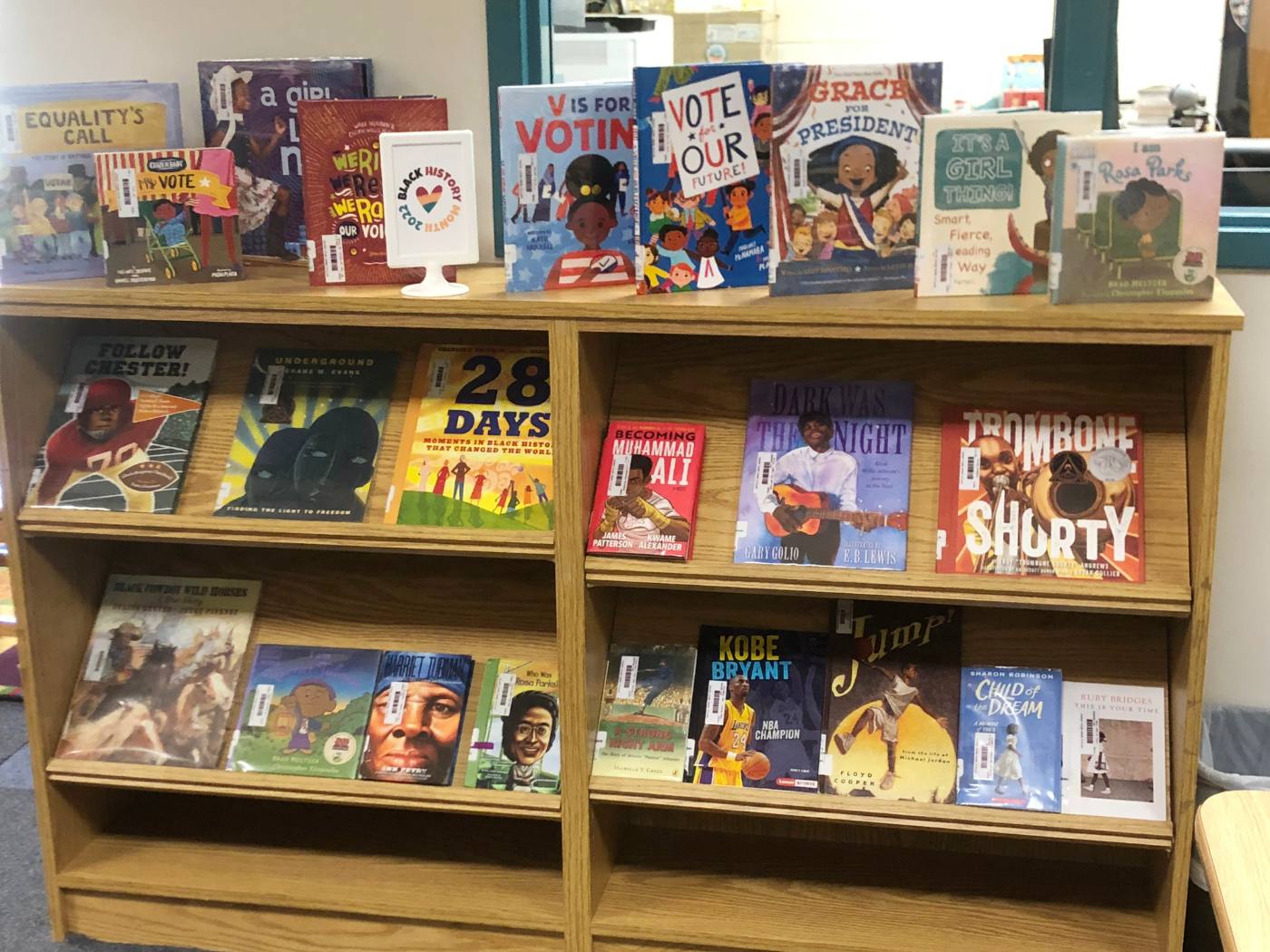
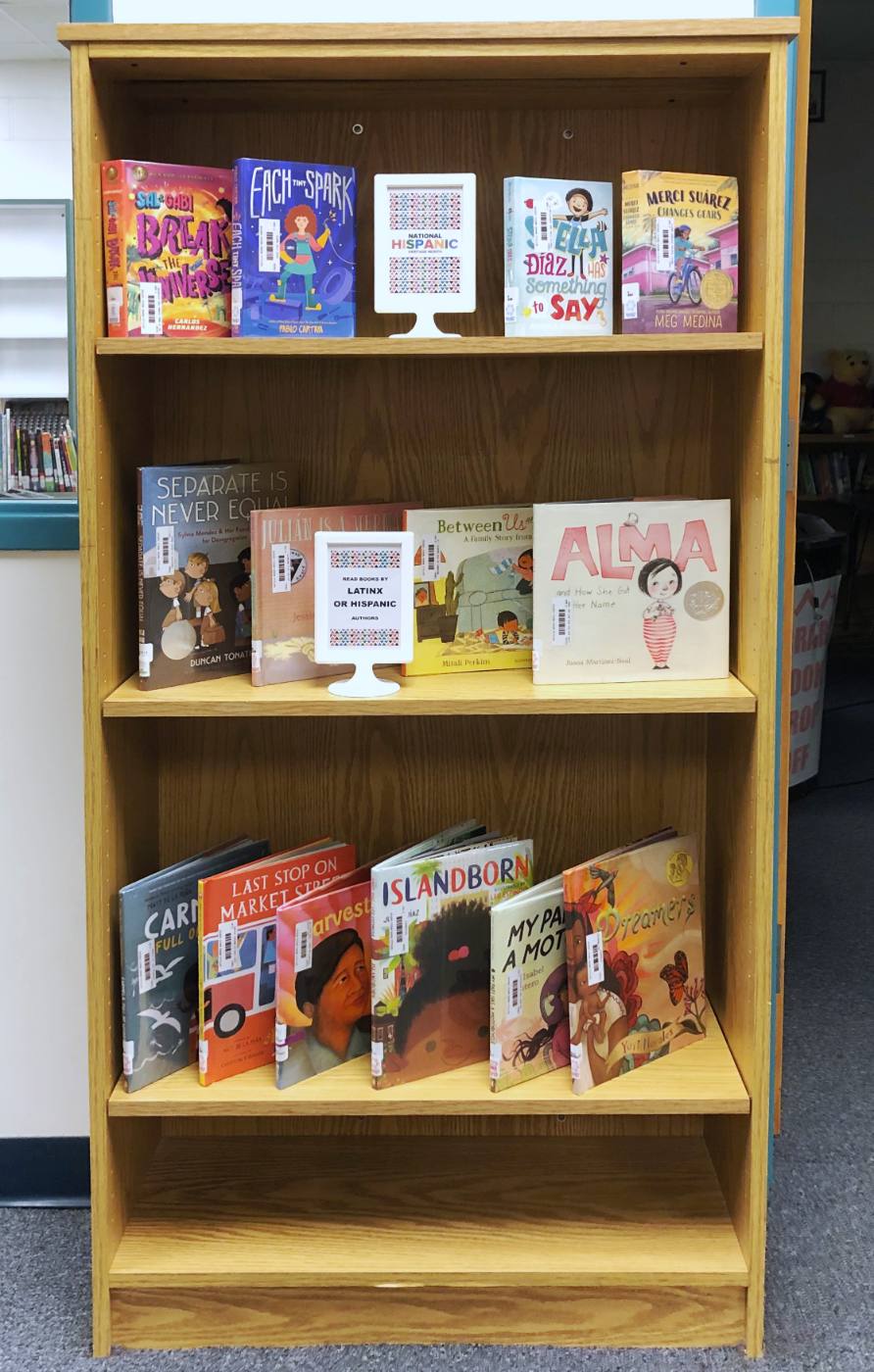
Just before the summer of 2019, I learned I would be the library media specialist at Satilla Marsh Elementary. I immediately grabbed a tape measure and began mapping every inch of the space. I transferred my drawing onto a digital artboard and spent the next six weeks categorizing all 14,000 books into 54 genres.
The library
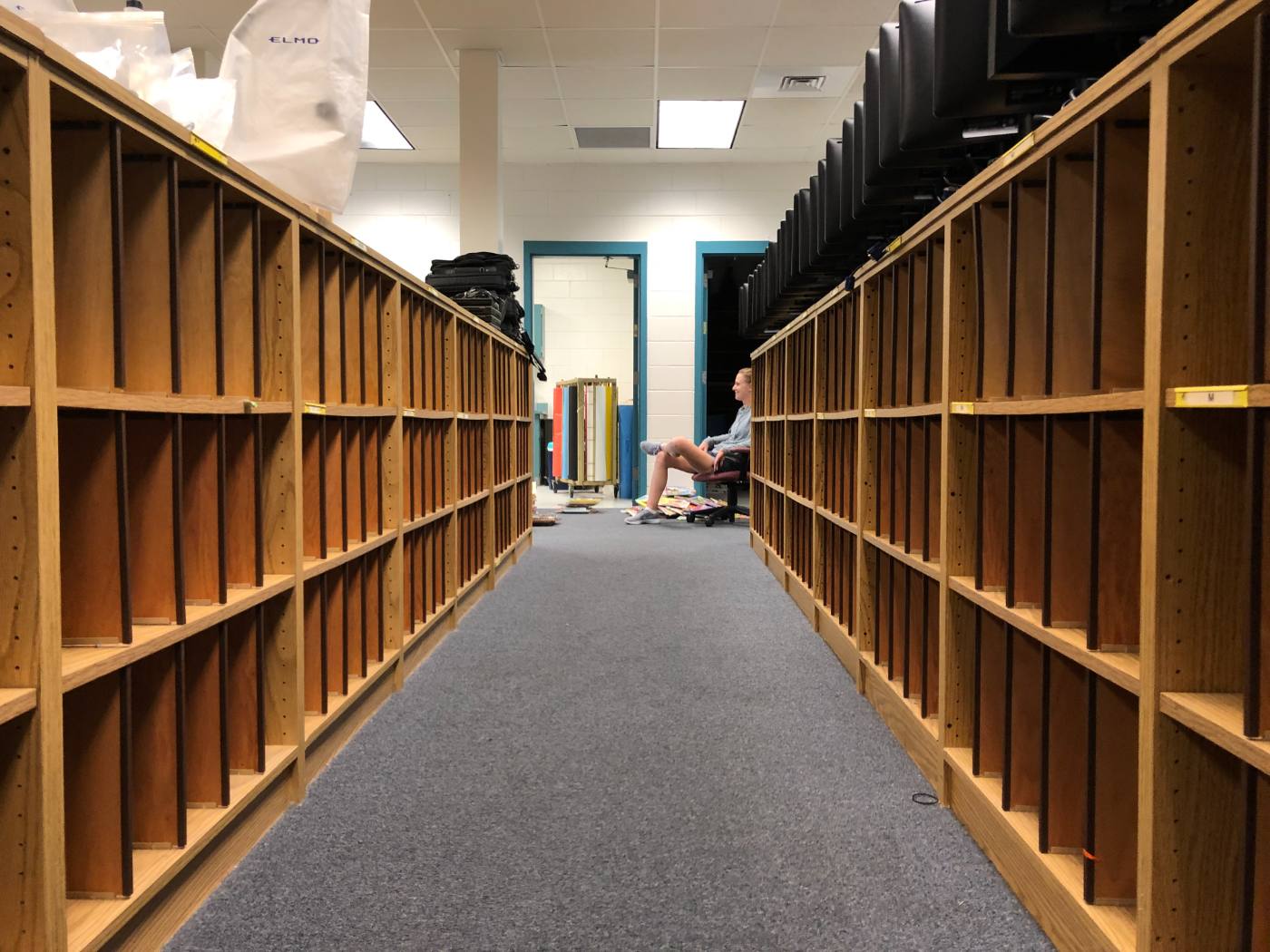
"What's your vision?" my principal asked. I was ready for the question. I presented her with a binder of research, guides, and other librarians’ experiences to illustrate what a new layout could possibly do for our patrons.
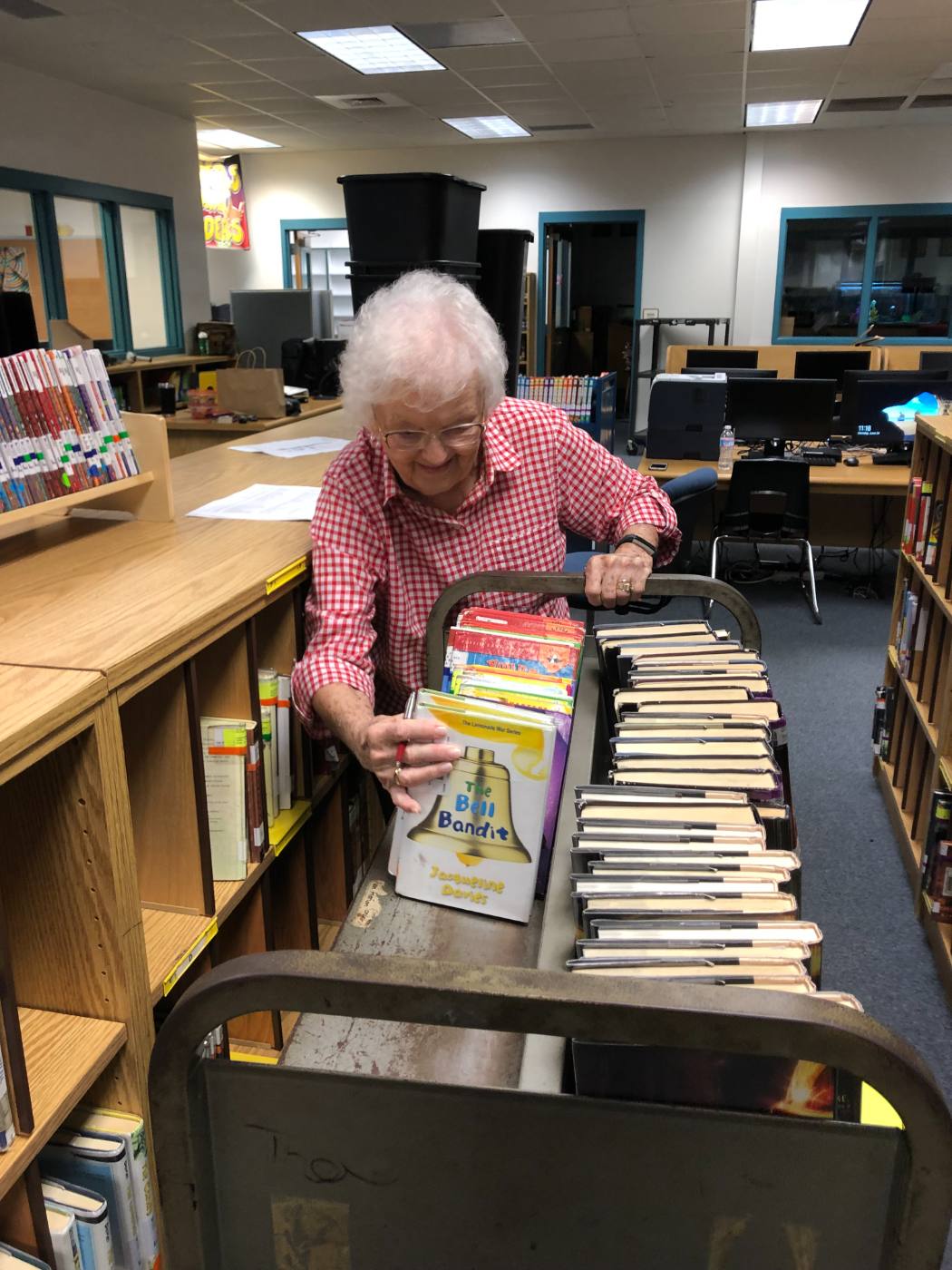
After receiving the green light, my first task was a data-driven weeding process. Getting rid of books is a tough call, but we needed room for more stories that reflected the current lives of our students.
After removing nearly 2,000 titles with an average age of 27 years, most of which had not been touched for over five years, the remaining 14,000 were ready for “genrefication.”
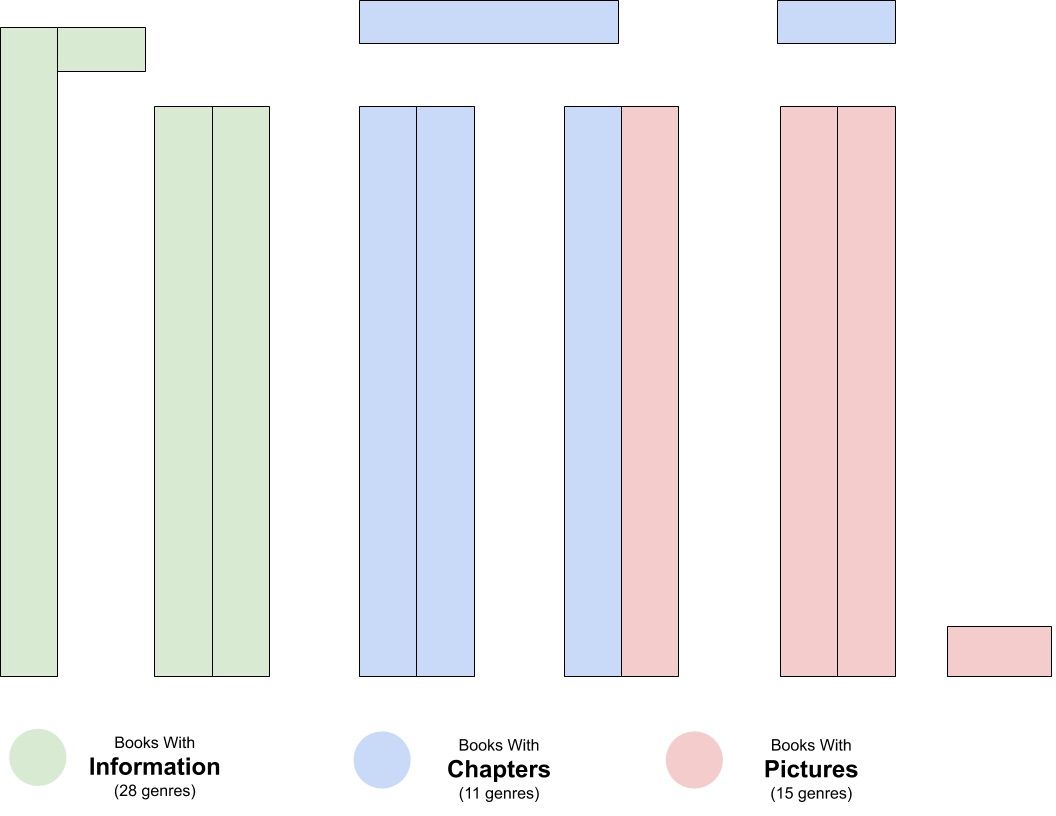
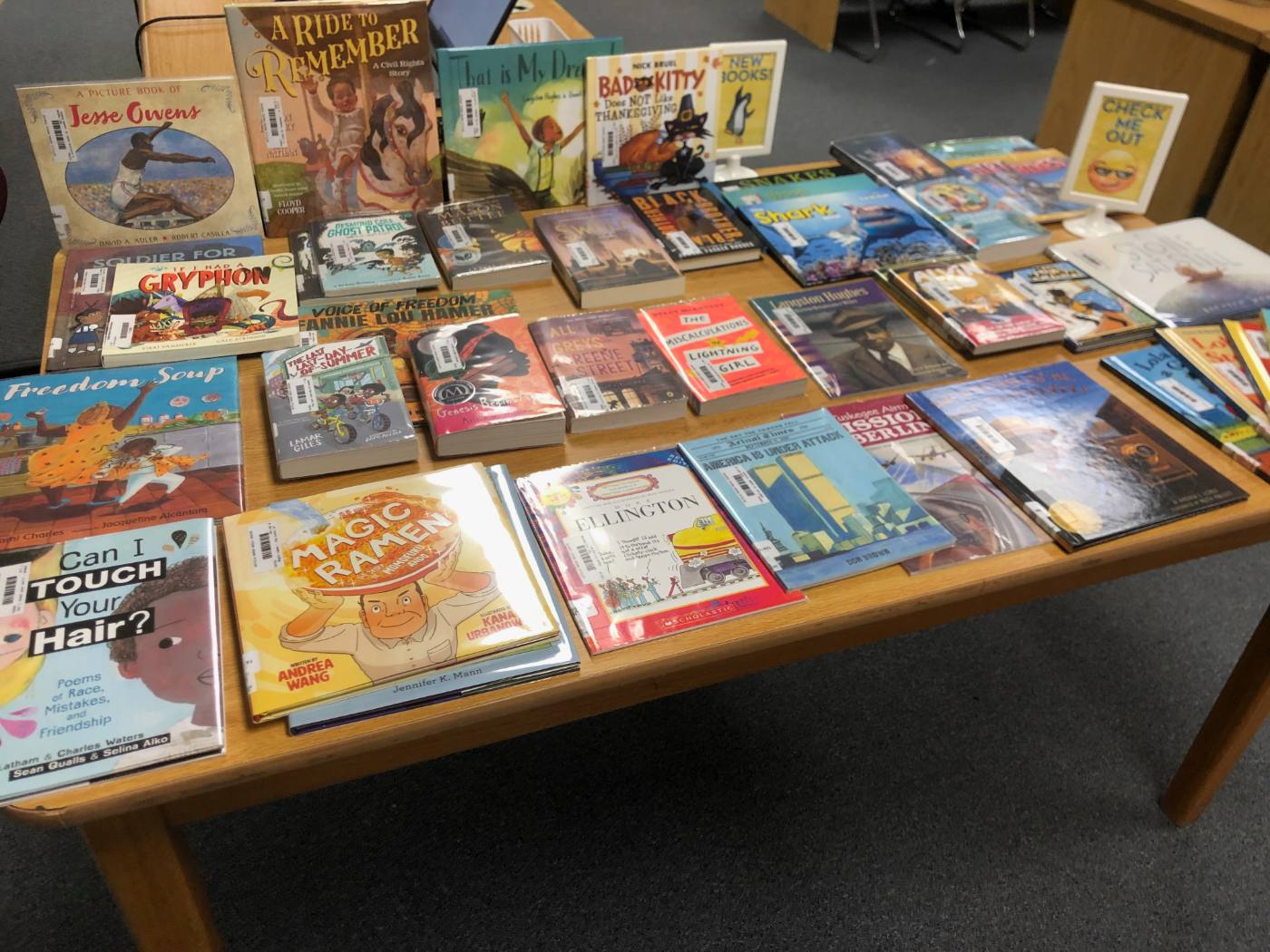
Three main color-coded sections defined the room: books with pictures, books with chapters, and books with information. I measured each shelf to determine how much space every genre needed.
I also considered traffic. Early reader series got their own corner so our youngest students could spread out and take books off the shelves. Graphic novels were front and center, our most popular genre. STEM led the informational section, because that was our principal’s focus. Fantasy went in the back, which was also very popular, so that the remaining genres were sandwiched between high-traffic areas.
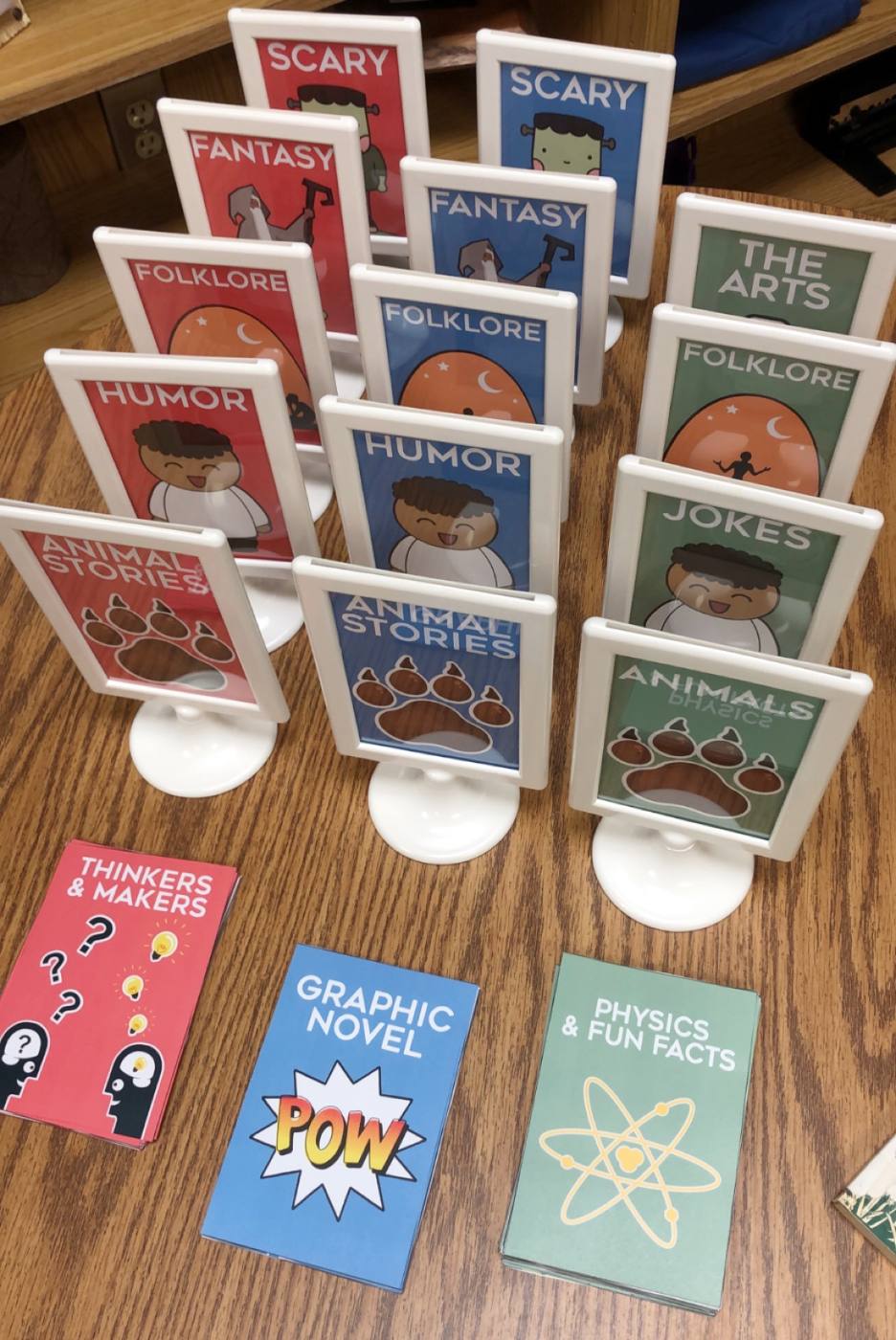
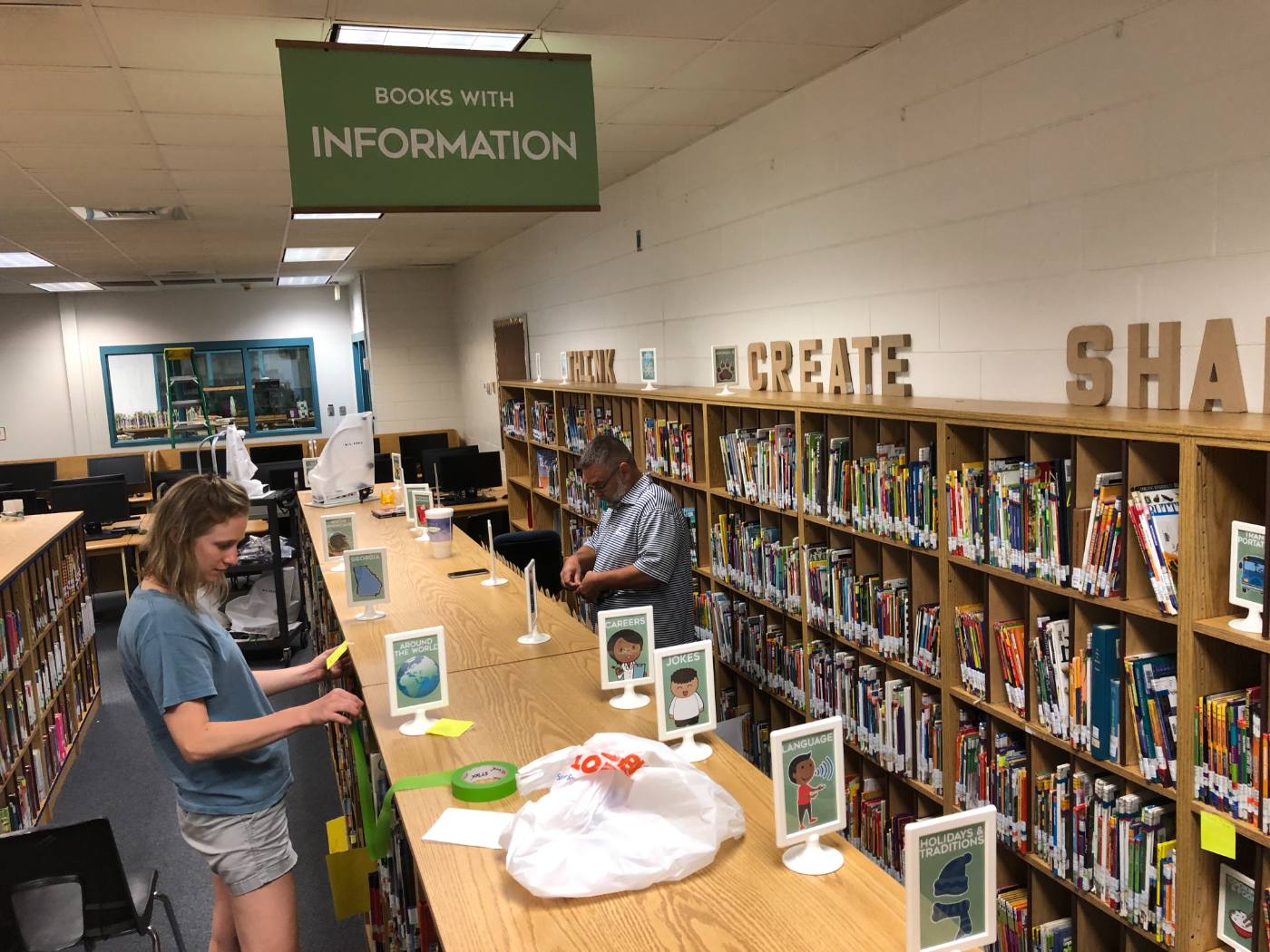
I rolled out a school-wide series of orientation lessons for each class in the building. I gathered input and made even further changes. Soon, the students wandered less, found things more quickly, and recommended more books to their friends. Checkouts increased 25% and were driven more by voluntary visits as opposed to teacher-required visits.
Teachers began genrefying their own libraries, both independently and with my assistance.
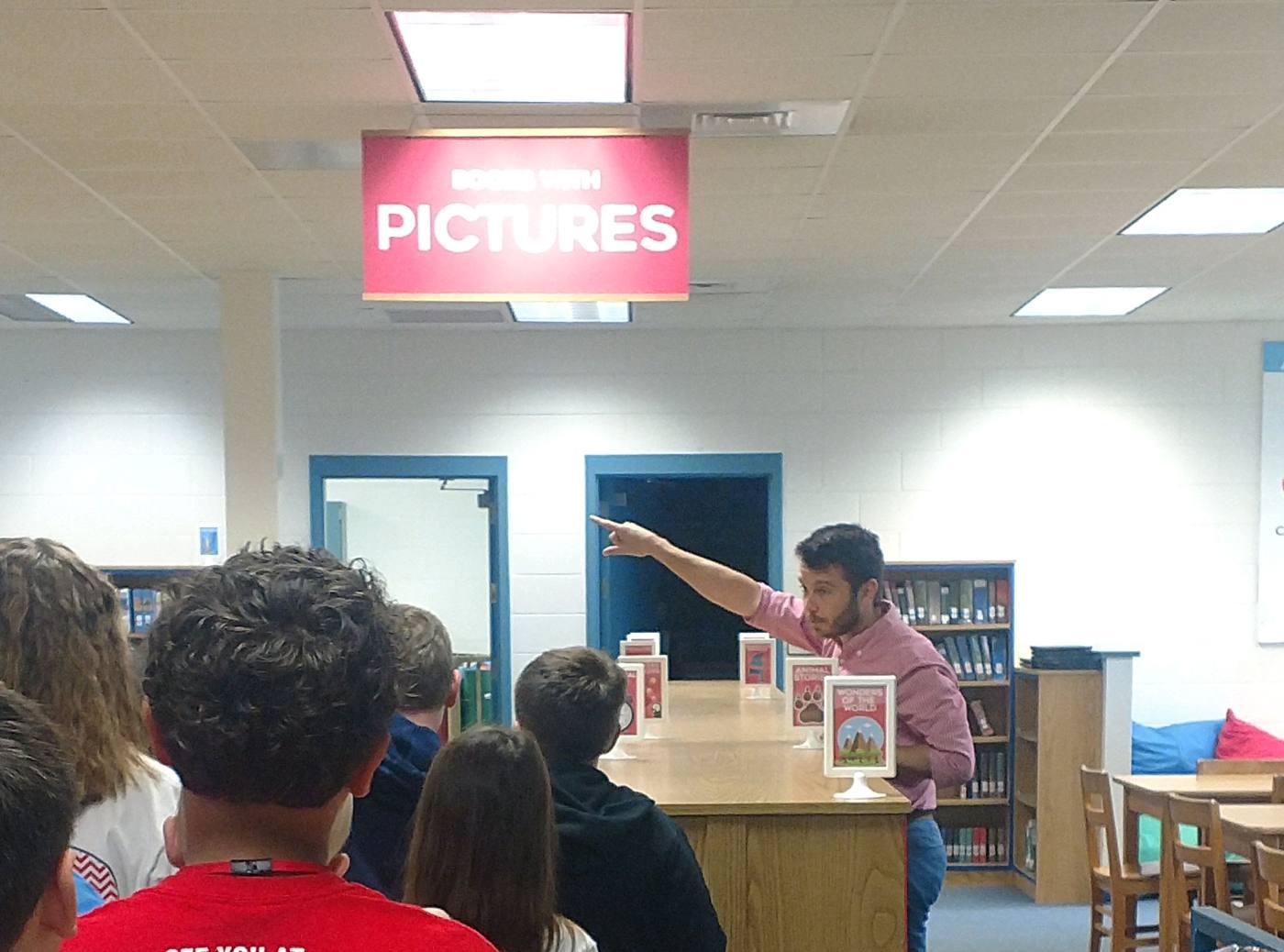
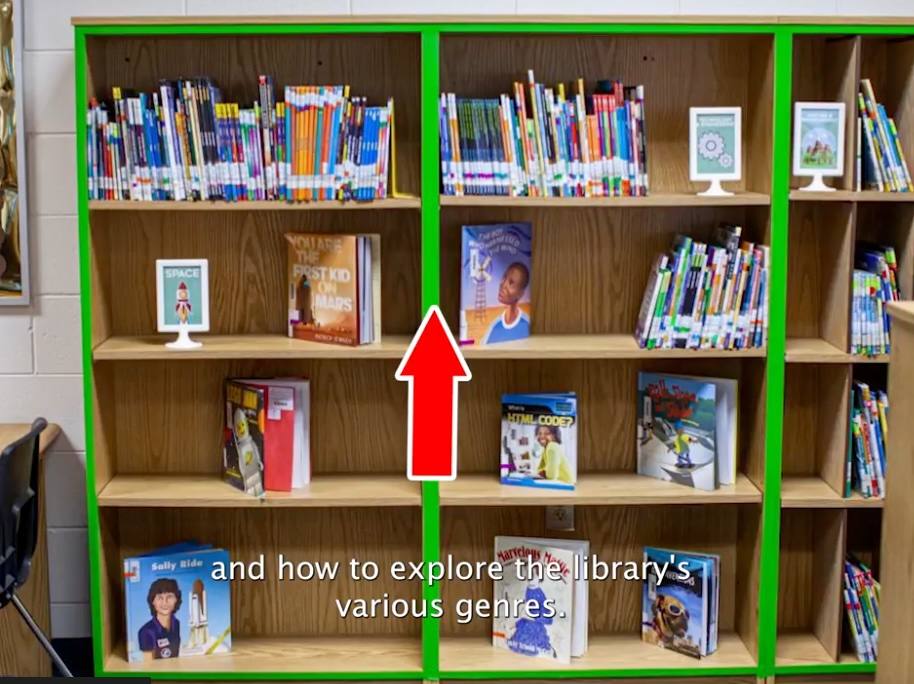
The space did not remain static. As students’ browsing behaviors changed, so did the shelves. As the state of publishing changed, so did our collection.
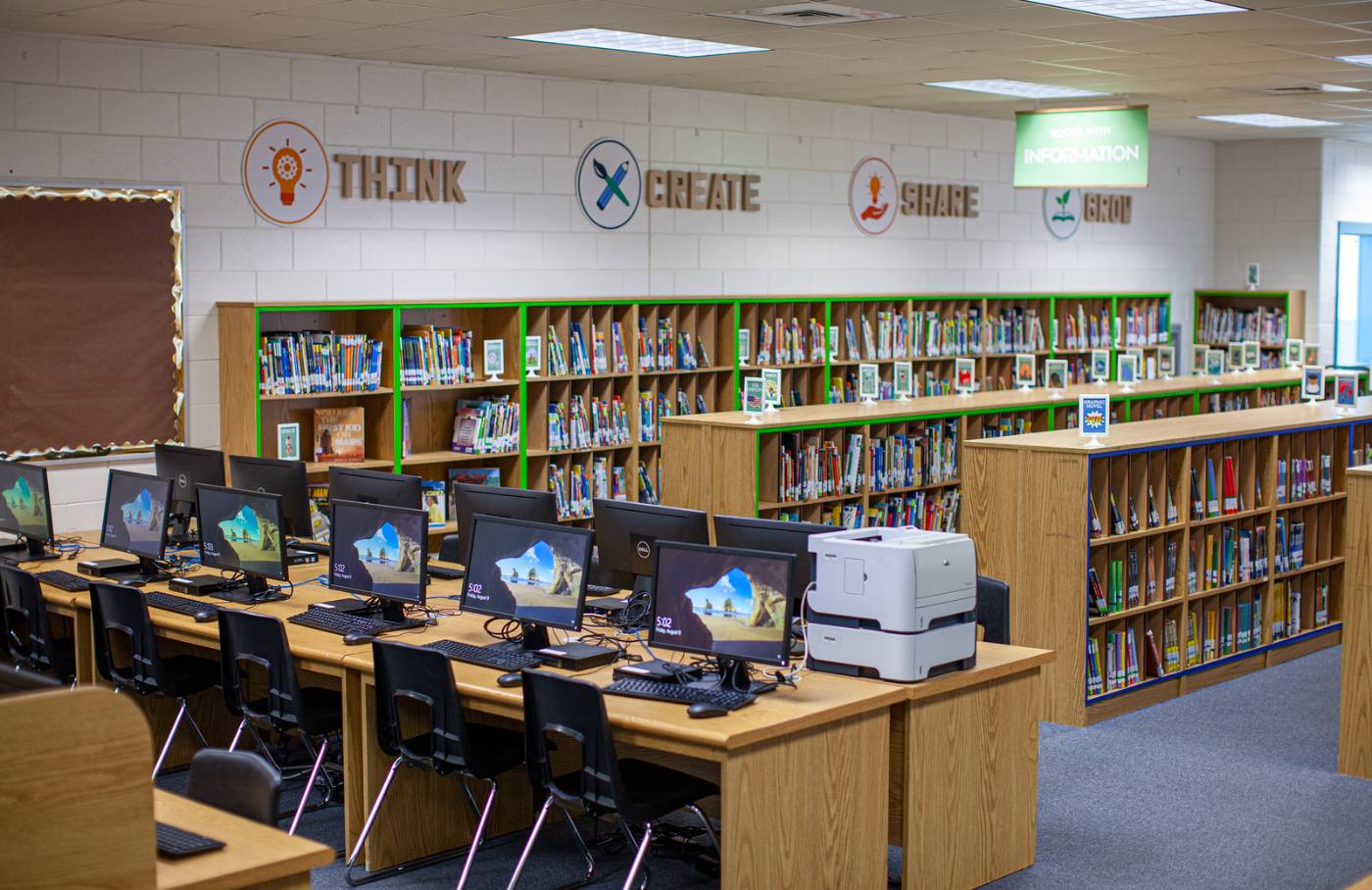
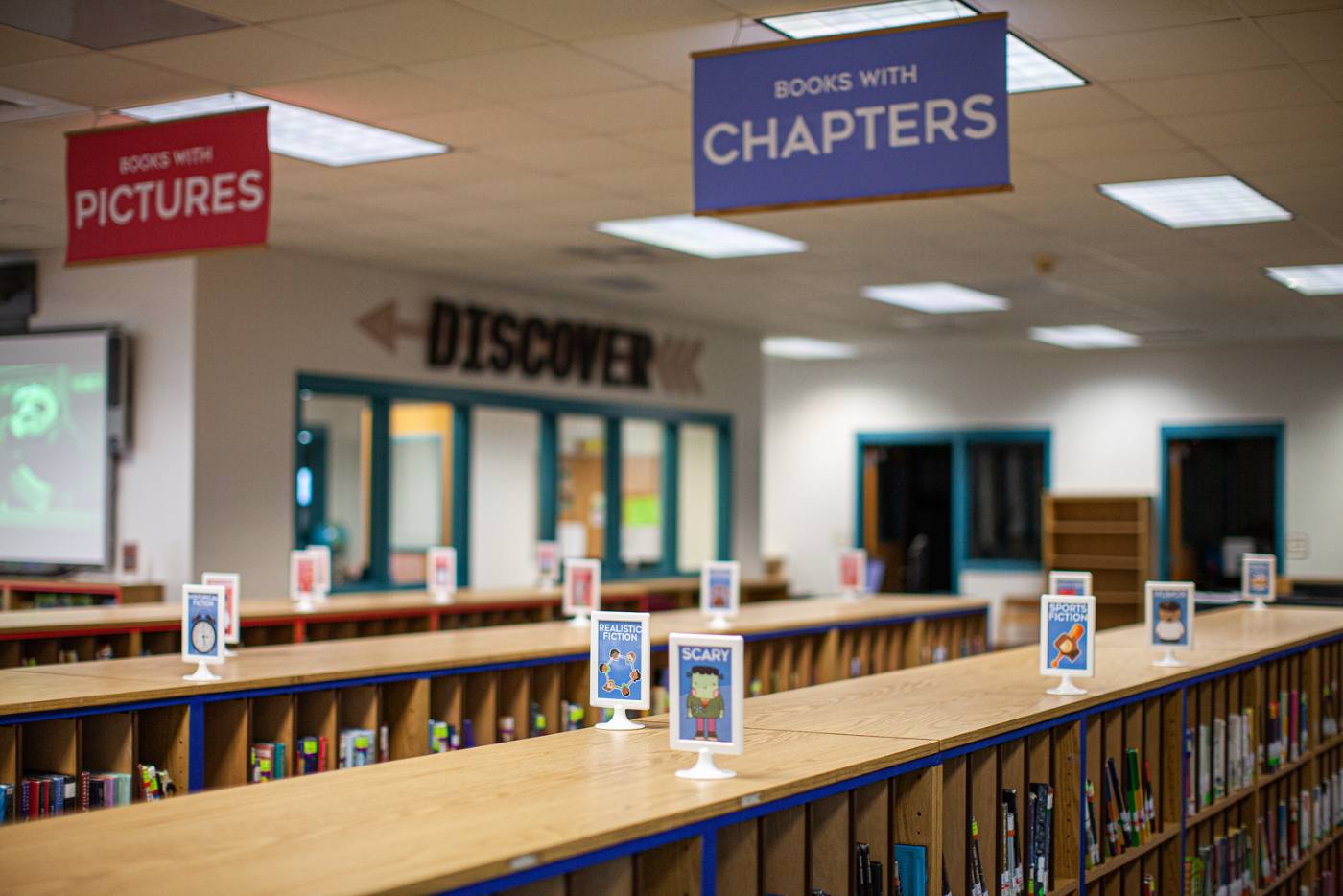
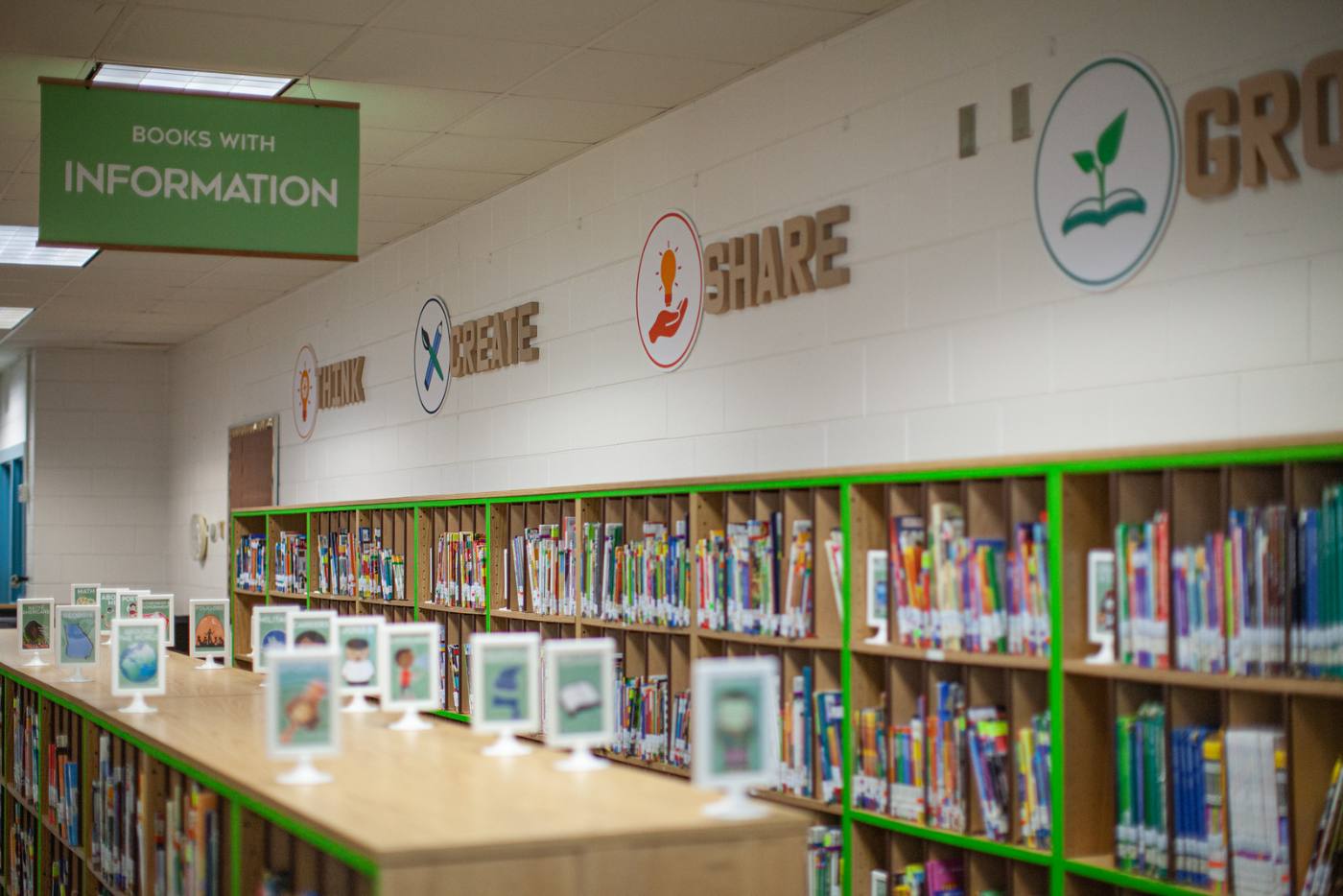
After five years, the library was busting at the seams again, this time with an average age of 17 years, ready for the next librarian to come in and make room for a new generation of learners.
Flexible Spaces
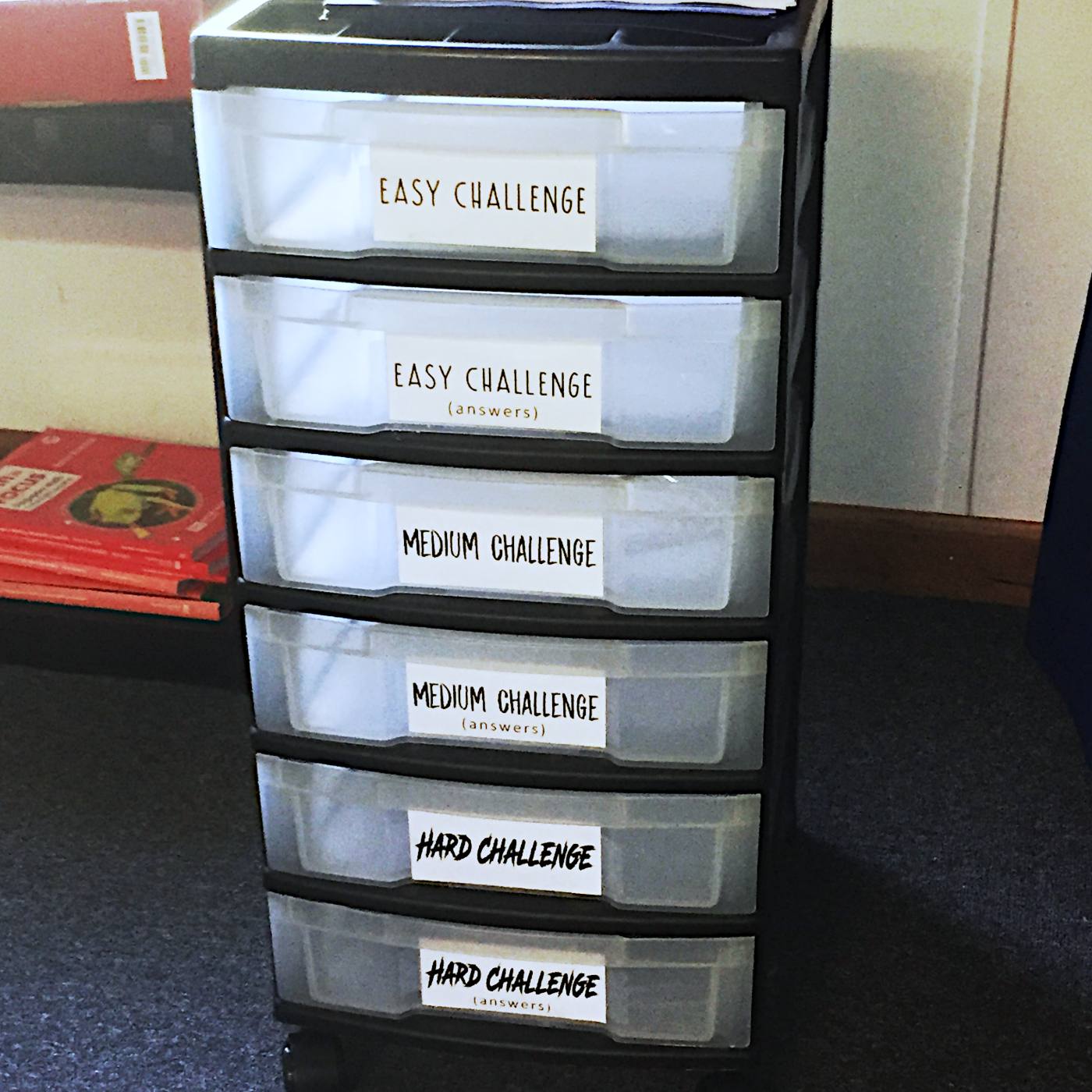
Before the library, I was a special education teacher. I taught in both resource and co-teach settings. For five years, I shared rooms with over 30 of my colleagues.
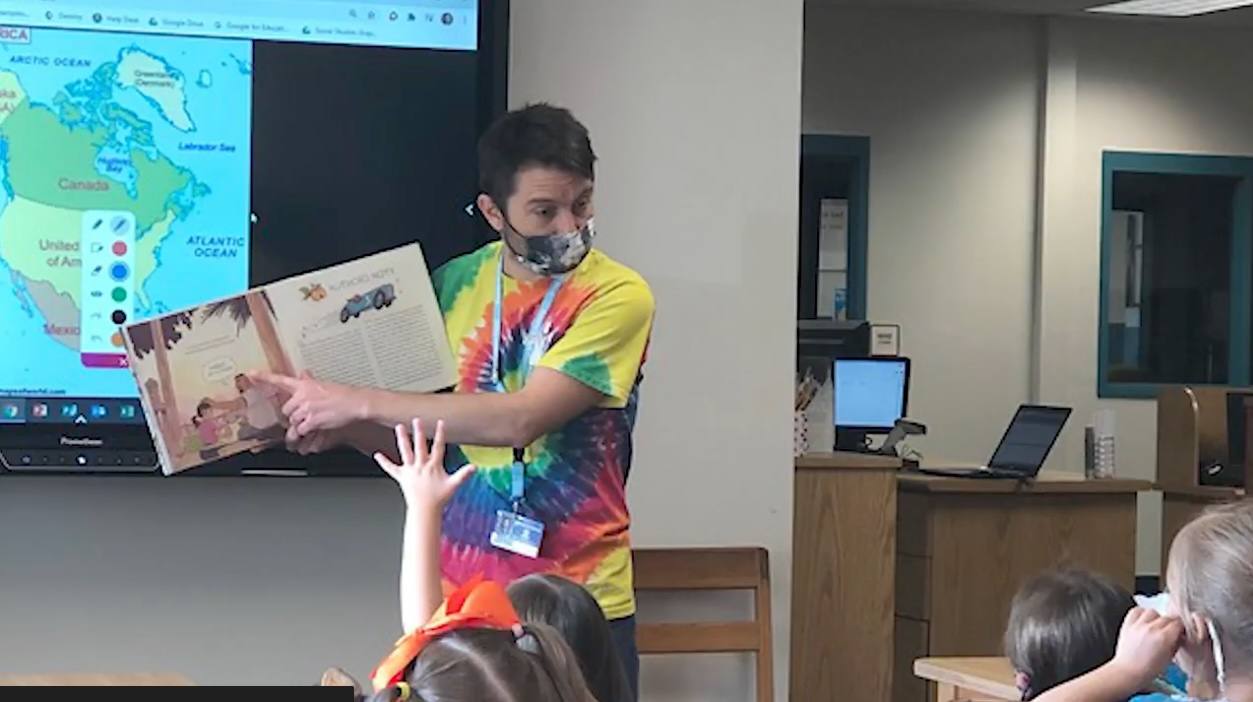
Every layout was different. Some teachers taught Read 180, with dedicated zones. Others taught Eureka, which was more whole-group and had students at their desks with manipulatives. Some teachers had leveled libraries. Others sorted by genre. In some rooms, I had access to a Promethean panel, and in others, a large whiteboard sufficed.
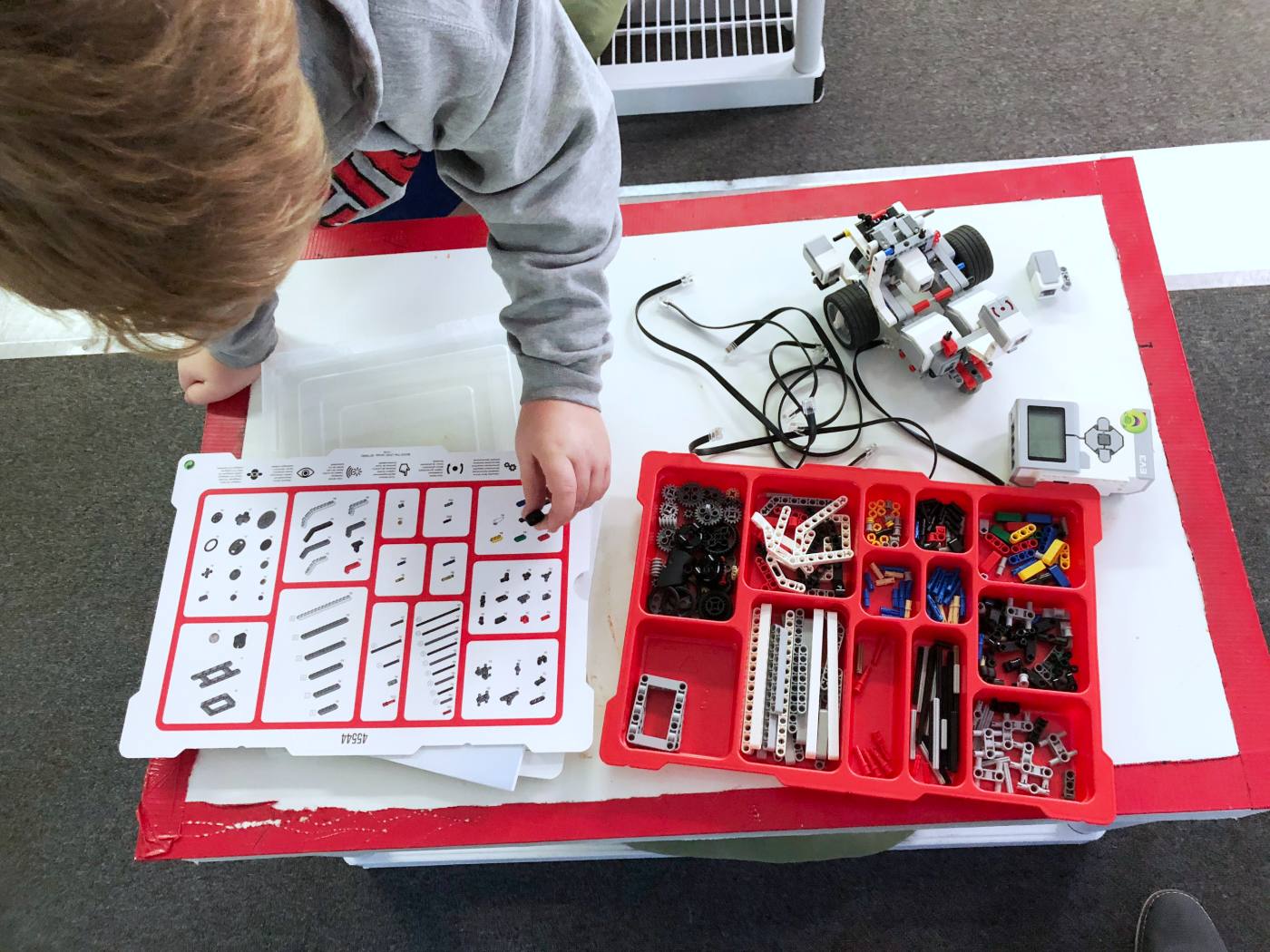
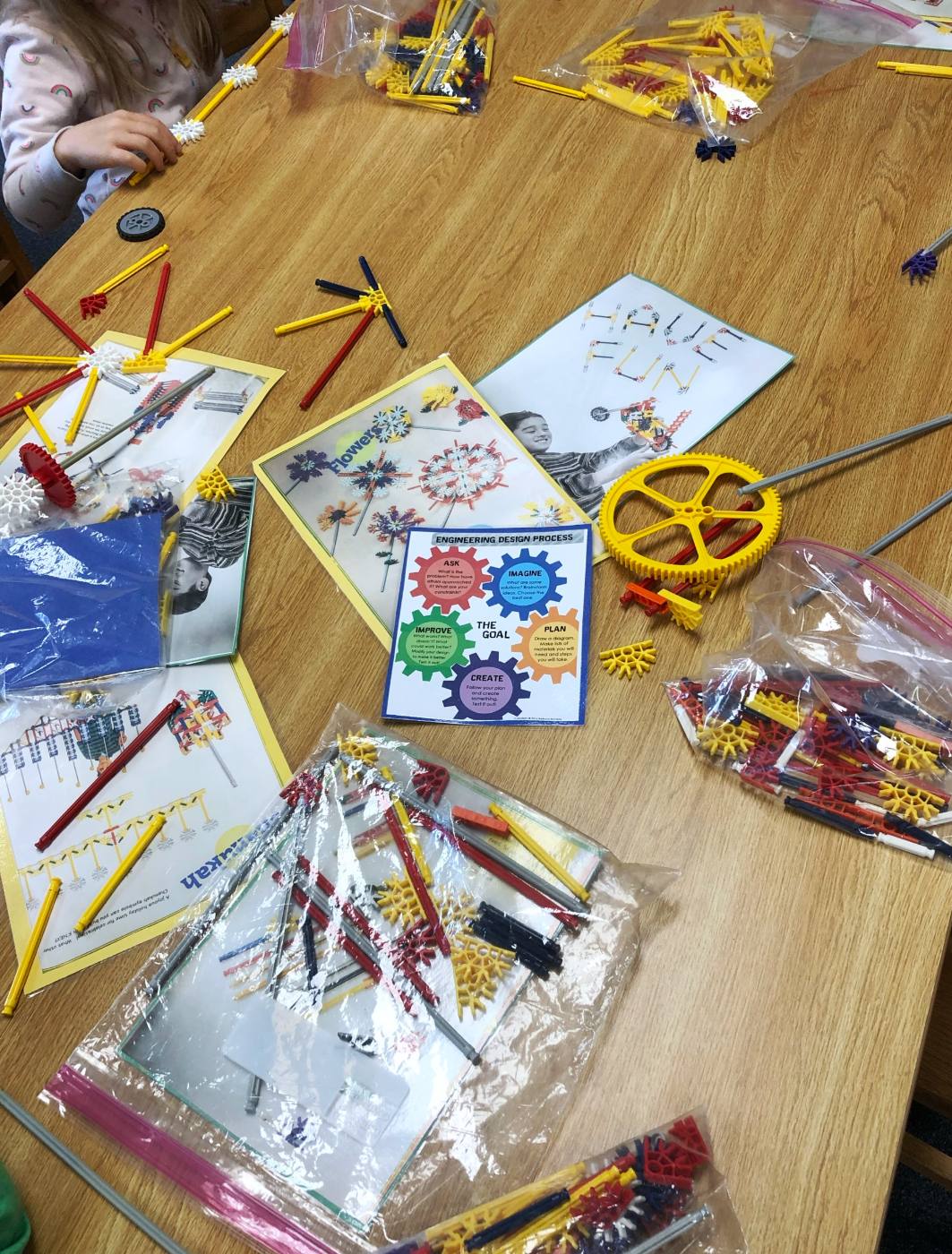
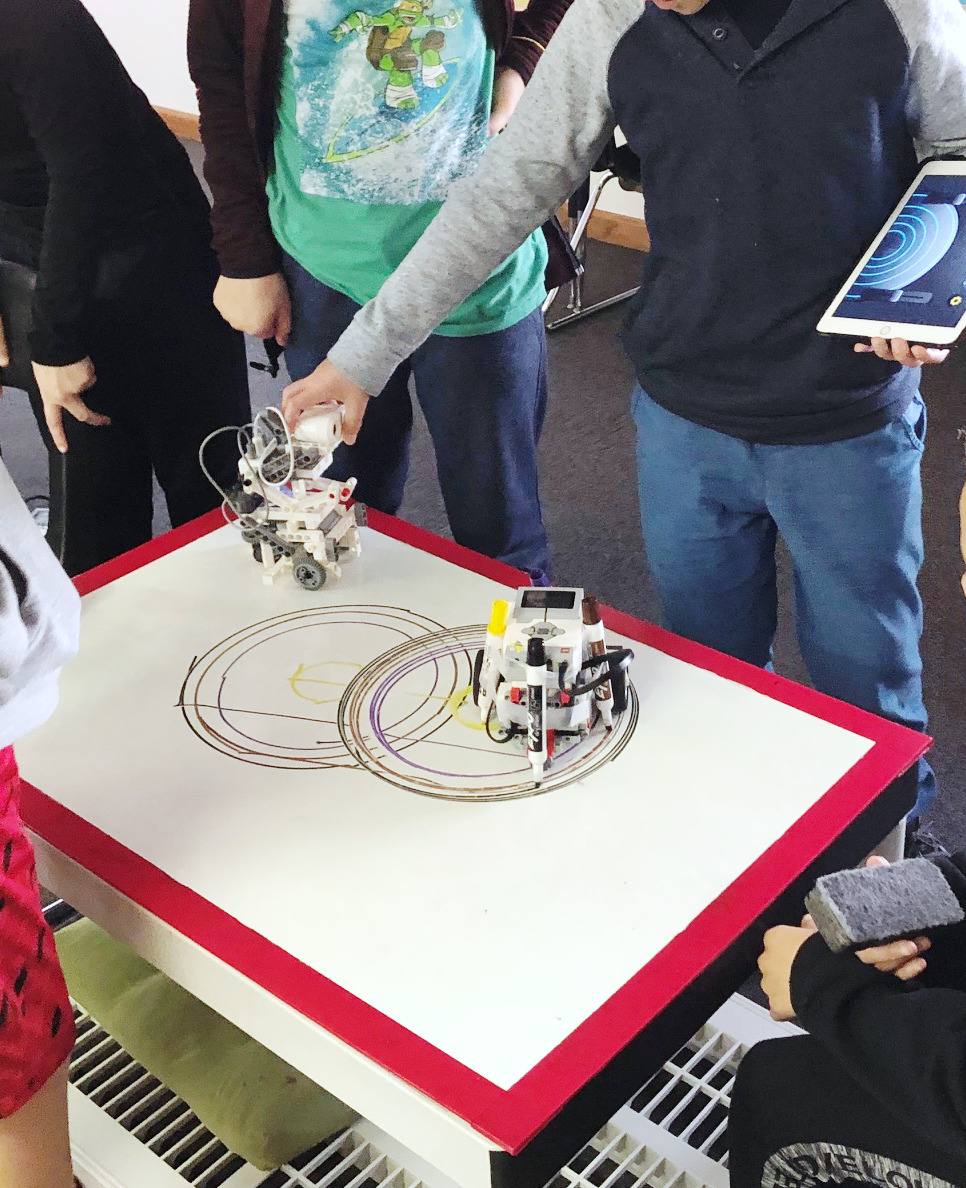
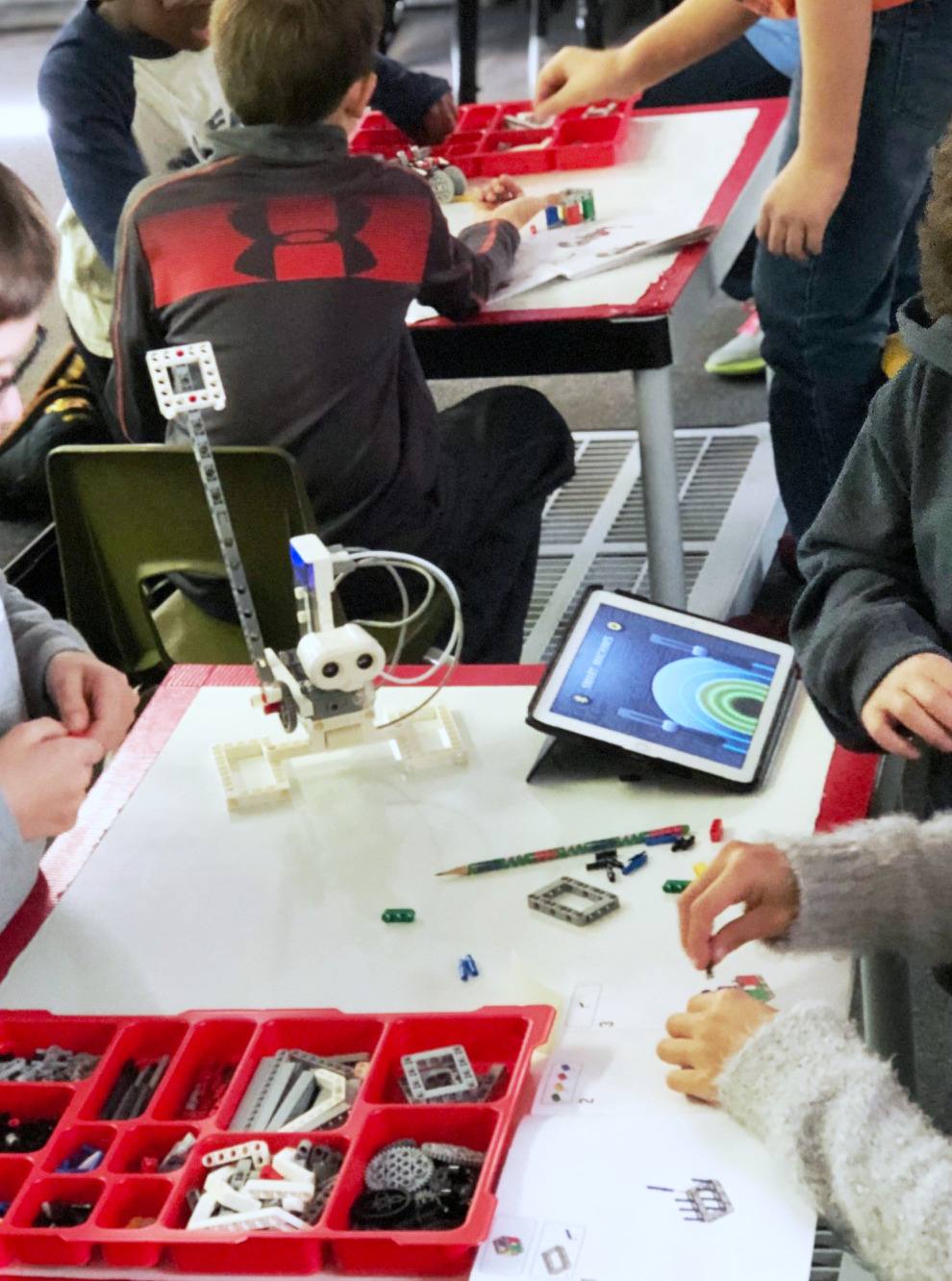
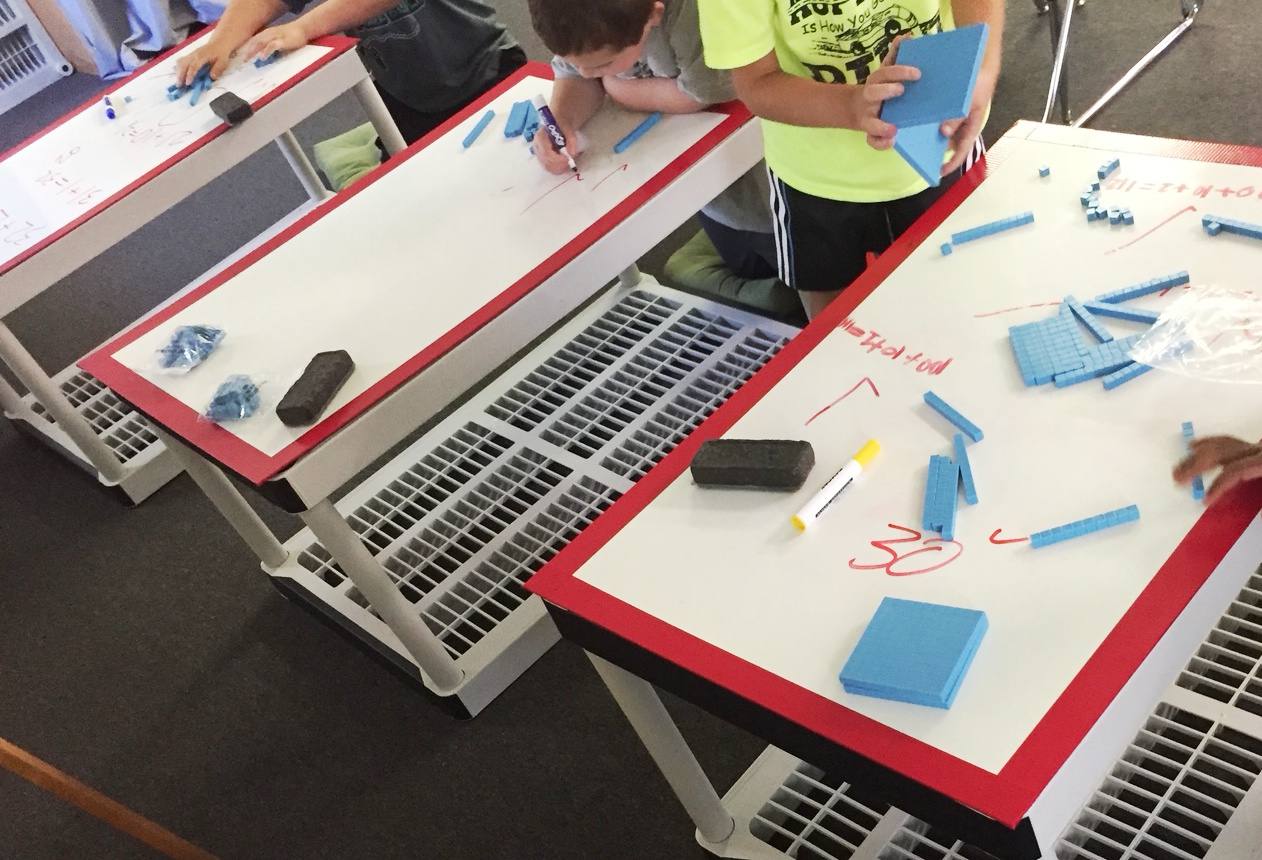
Some of my best teaching was done without screens. Kids love paper, drawing surfaces, whiteboards, and tactile objects, especially if you provide choice, varying levels of difficulty, and personalization.
I tried to personalize nearly everything I could for students, including:- Behavior checksheets
-
Calmdown areas
-
Mobile activities
- Graphic organizers
- Folder covers
- Posters and sayings
- Fidgets
- Seating and workspaces
- Math manipulatives
- Reading materials
- Schedules
- Emotional thermometers
- Social stories
- Timers
- Personal bins
The walls
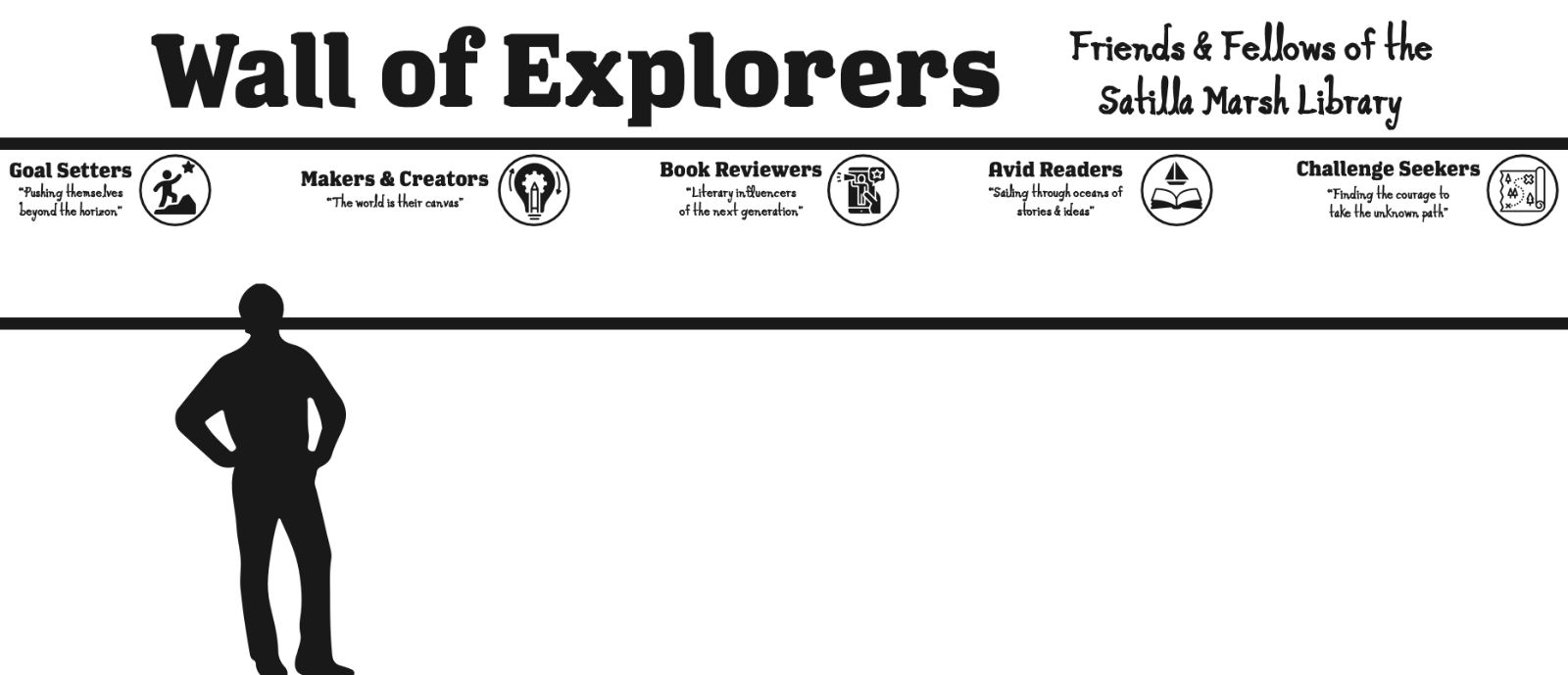
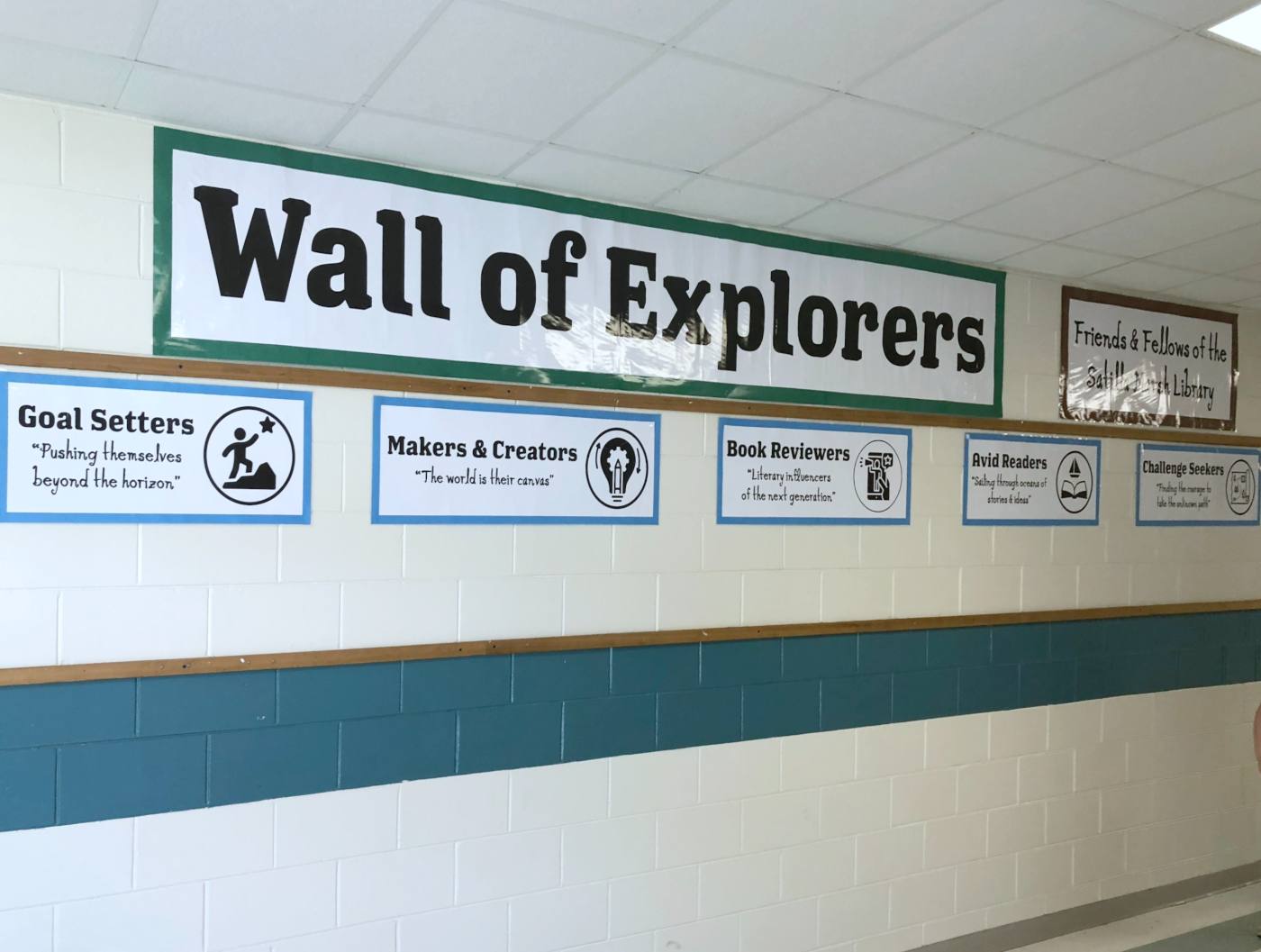
There was a big empty wall in the school. I measured it to make sure we filled it up as much as we could.
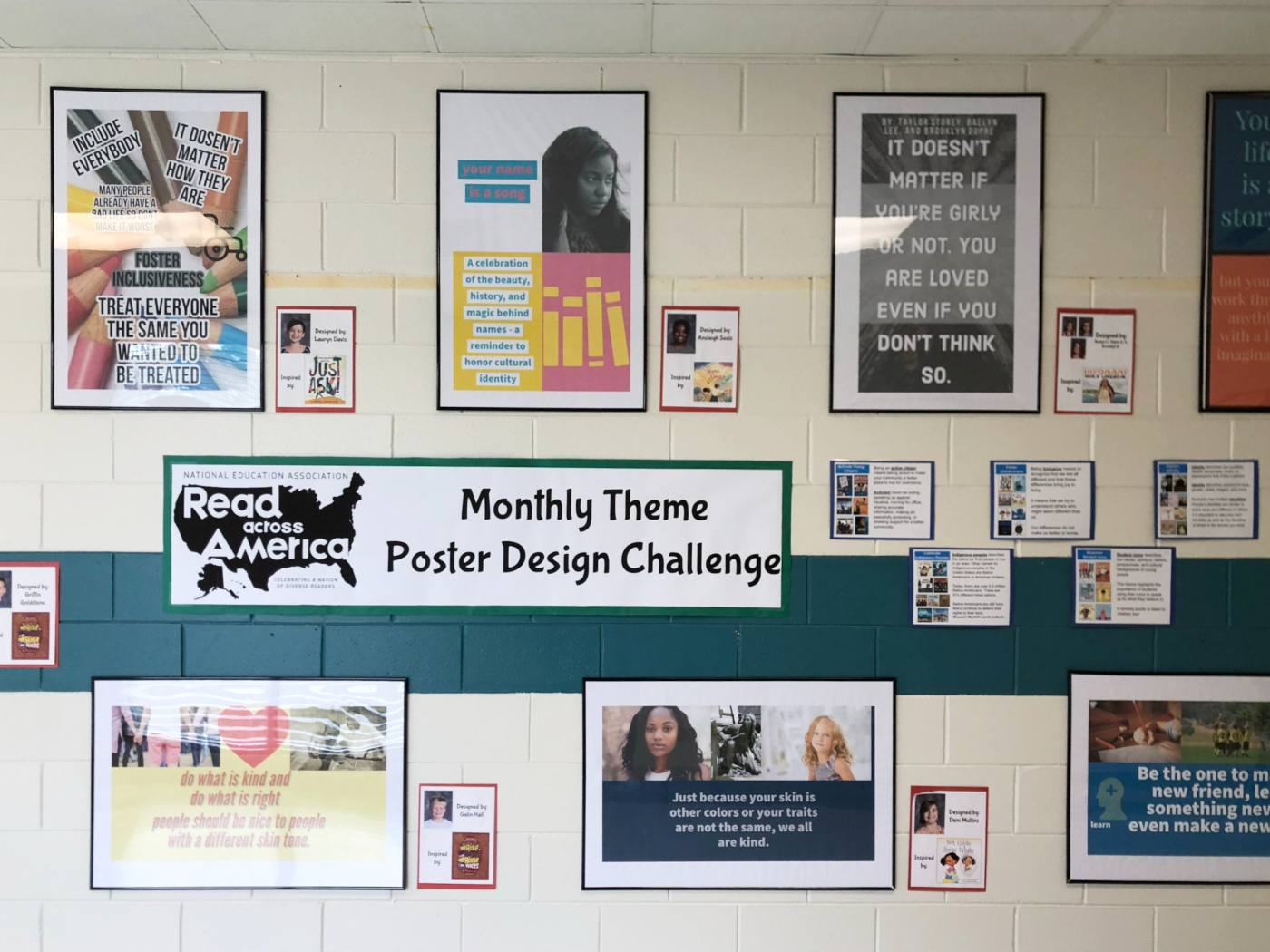
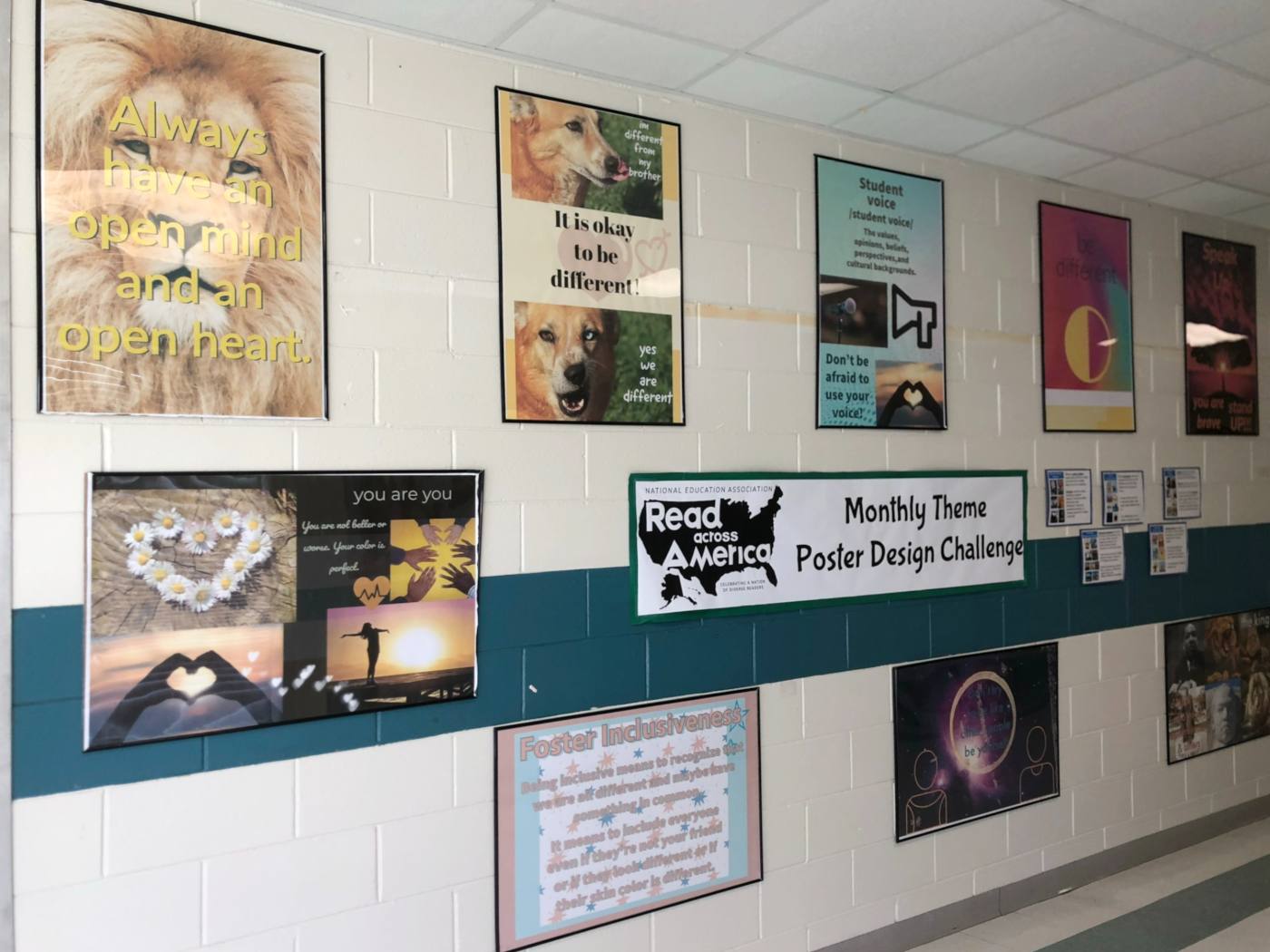
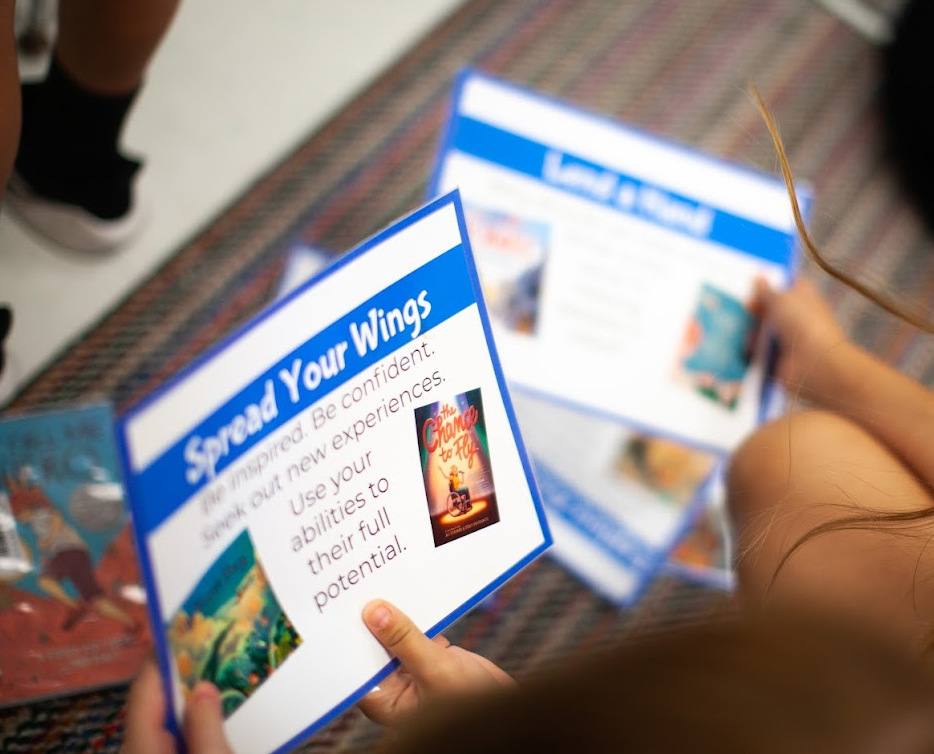
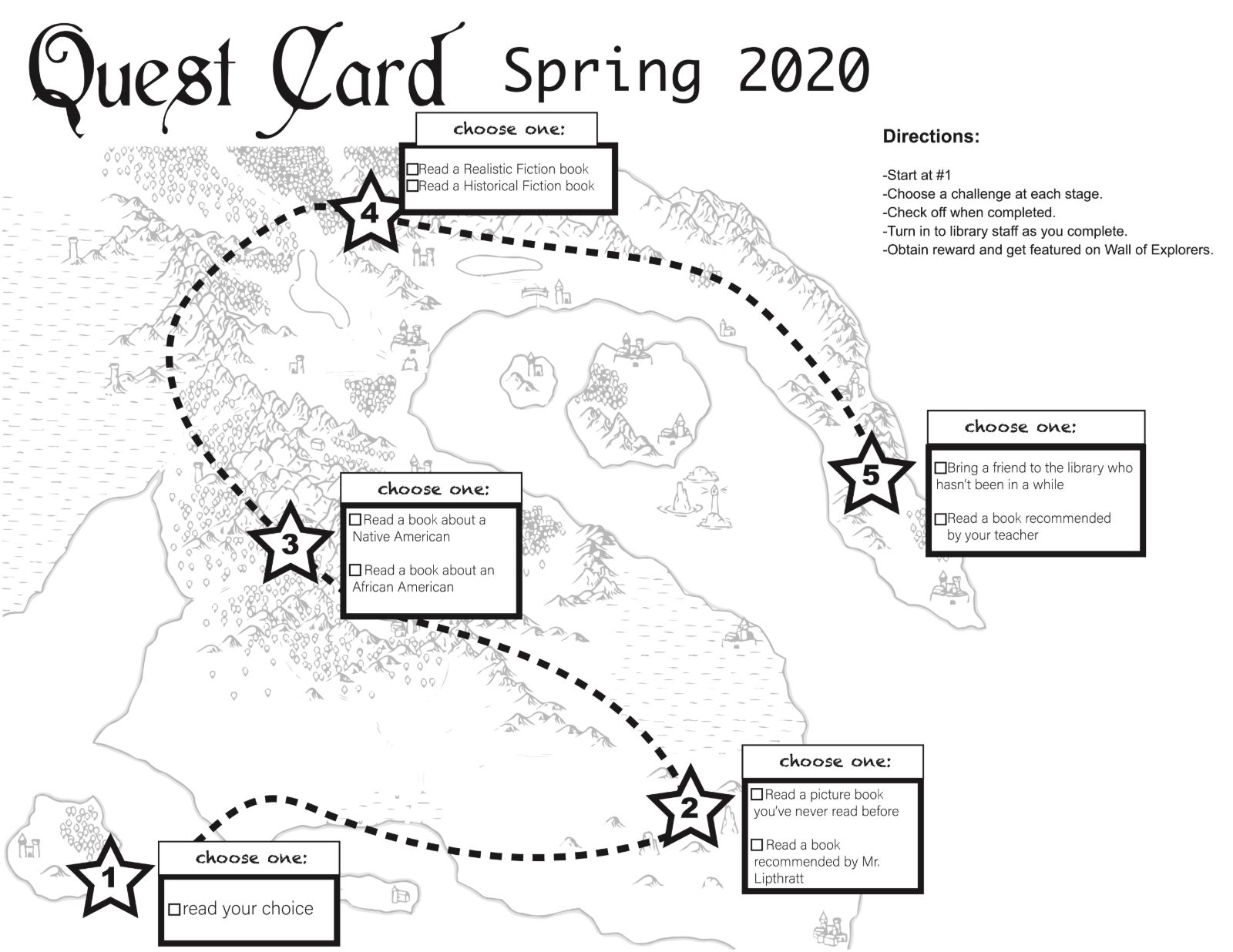
Poster challenges became a school-wide staple. Students would read a book and design a poster inspired by the book. I taught kids as young as second grade how to use Adobe Express. They beamed when they saw their creations on the wall.
More projects
Career highlights
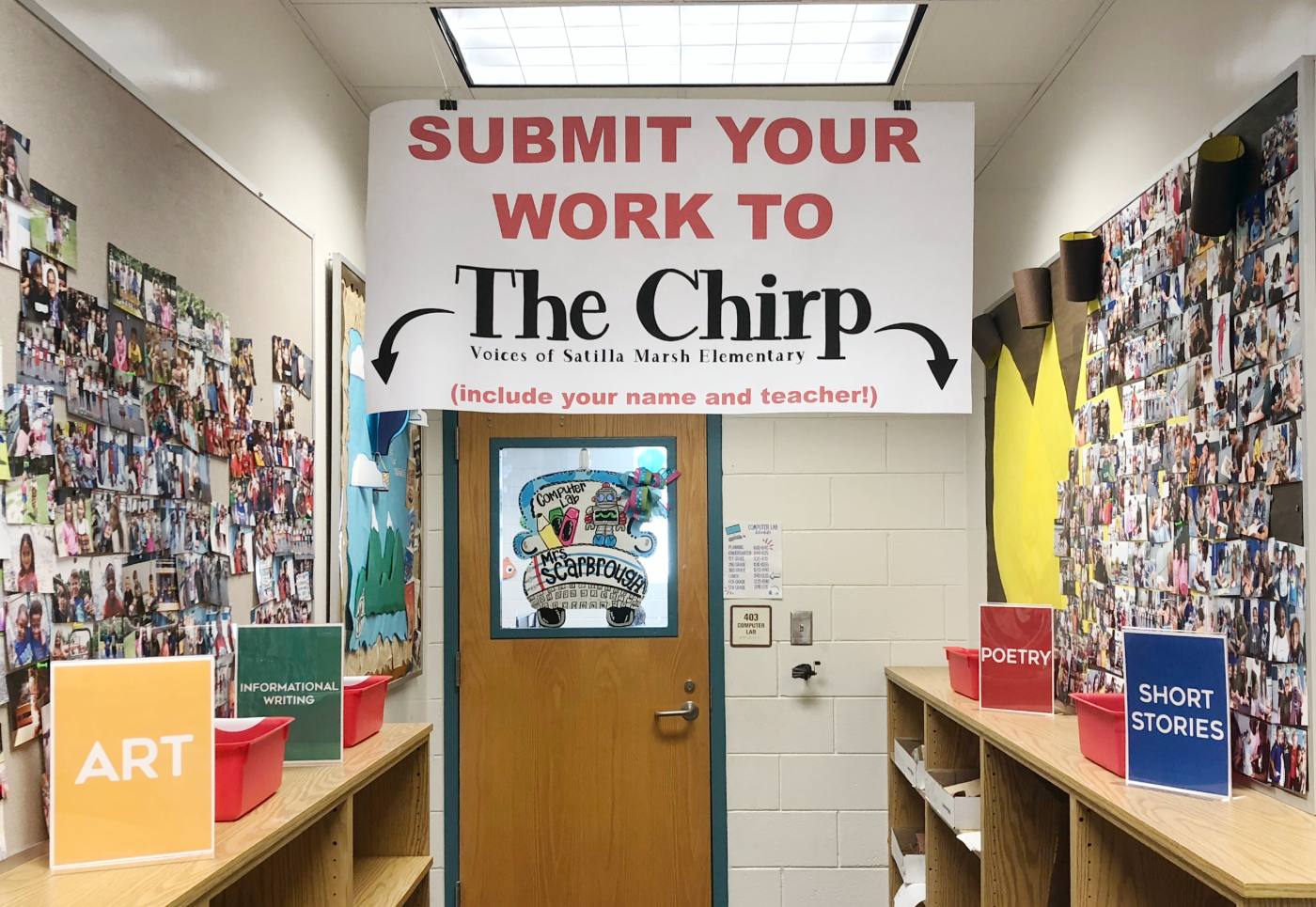
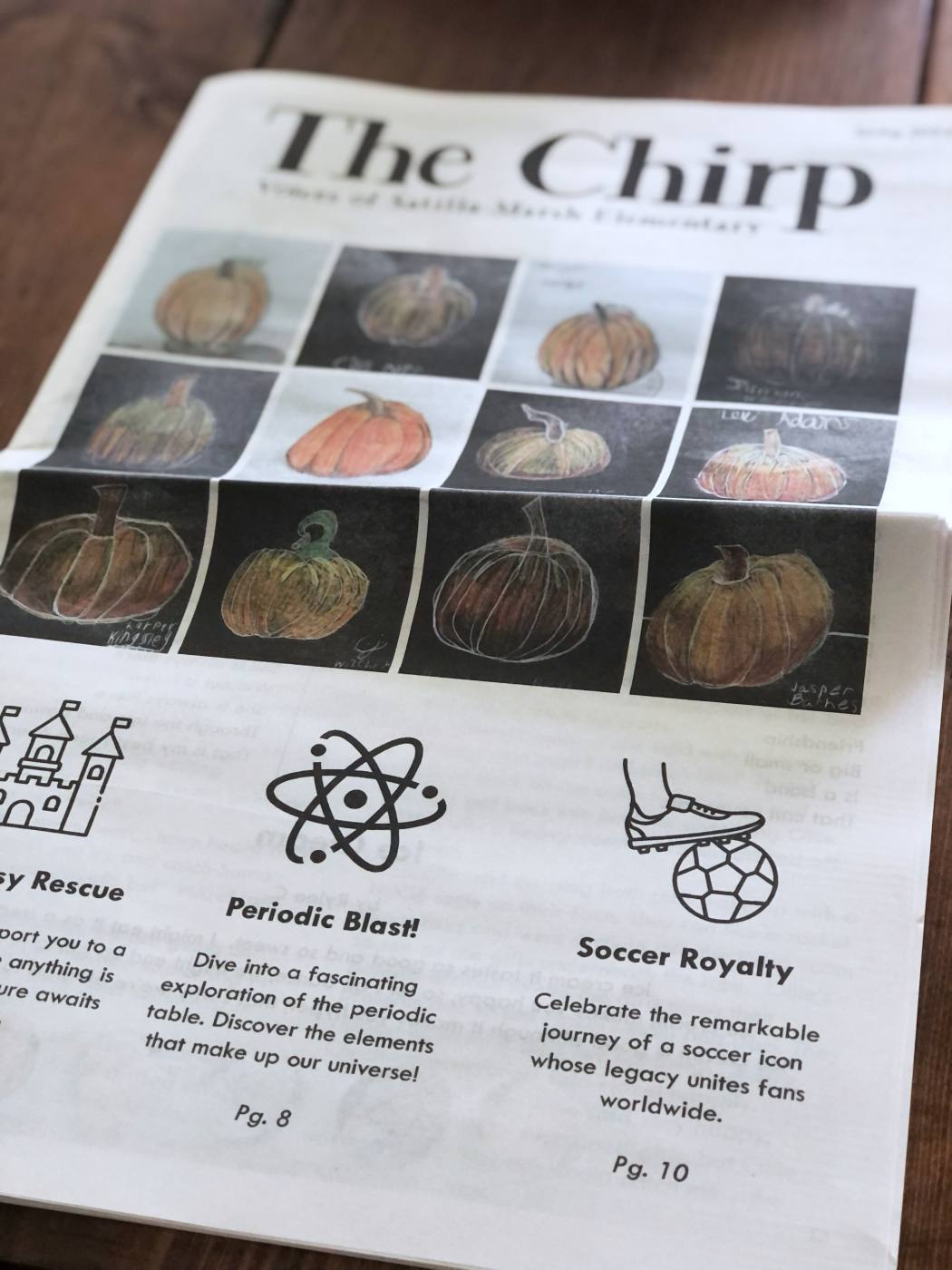
- 2024Founded The Chirp, a grant-funded student-produced newspaper
- 2024NEA Foundation Global Learning Fellowship
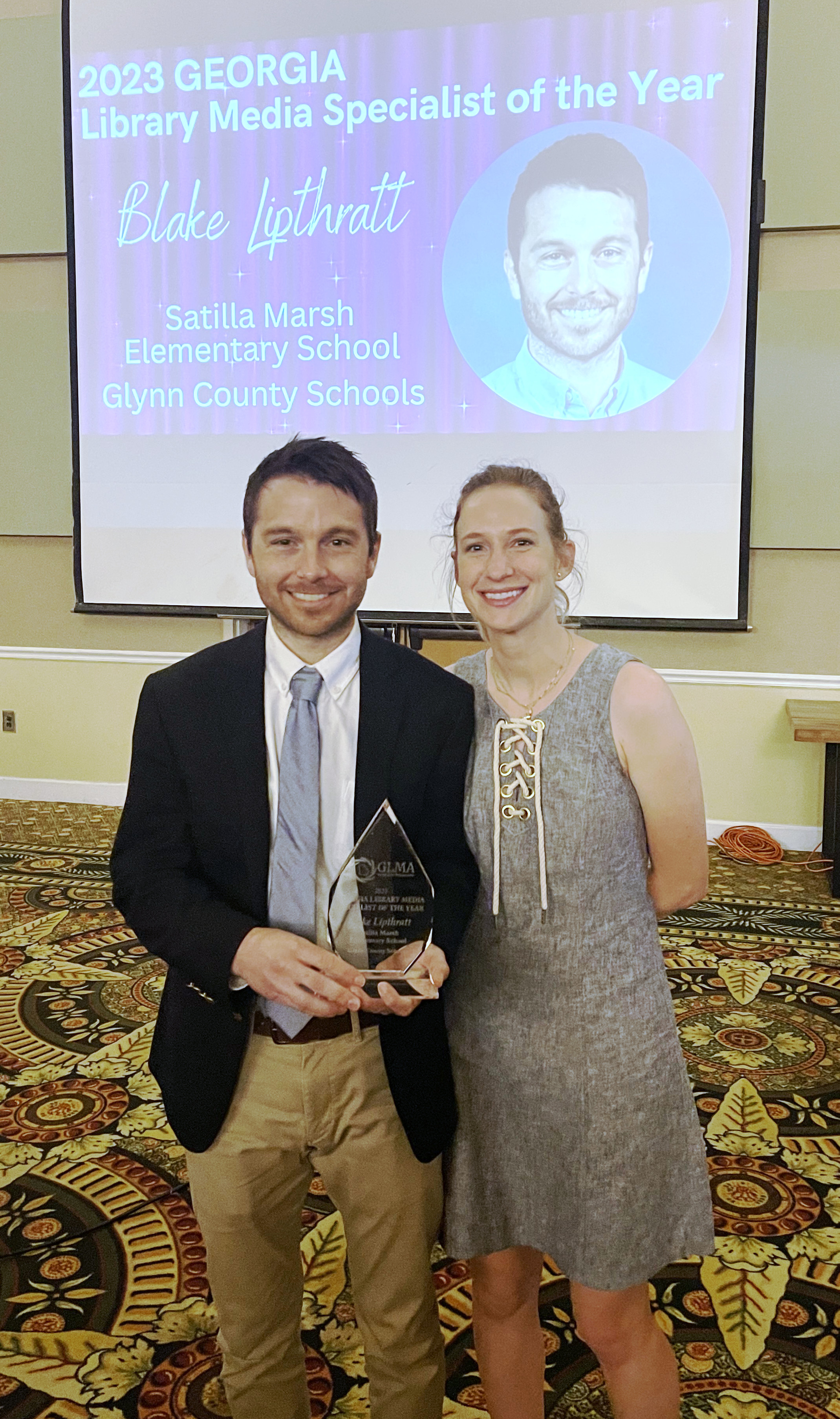
- 2023Georgia Library Media Specialist of the Year
- 2023SPLC Learning for Justice Institute Fellowship
- 2023Georgia Foundation for Public Education Mini Grant Recipient
- 2023Mathical Book Prize Collection Development Award
- 2023Snapdragon Book Foundation Grant Winner
Thanks for taking a look.

{{ zoomCap }}